PKL's Broadcast Crisis and Haryana League Expansion: Which Is the Real Story?
मुख्य उत्तर: कबड्डी चैंपियंस लीग का 8 से 10 टीमों तक विस्तार हरियाणा-केंद्रित क्षेत्रीय लीग का कदम है, जो पीकेएल के ब्रॉडकास्ट संकट और सीजन 13 के 2027 तक खिसकने की छाया में हो रहा है, न कि स्वतंत्र व्यावसायिक मजबूती का सबूत। मुख्य तथ्य: - कबड्डी चैंपियंस लीग में 10 फ्रेंचाइजी हैं, जिनमें से लगभग सभी हरियाणा के शहरों से हैं। - प्रति फ्रेंचाइजी ऑक्शन पर्स 5 करोड़ रुपये है, जो पीकेएल के पारंपरिक खर्च का एक अंश है। - सबसे महंगा खिलाड़ी आयन लोचब 17.4 लाख रुपये में बिका, जो पीकेएल स्टार रेडर के दाम का लगभग छठा हिस्सा है। - 'भारत के एशियाई खेल कप्तान' बताए गए सुनील मलिक सिर्फ 10 लाख रुपये में बिके, जिससे पद की साख पर सवाल उठता है। - लगभग 7,000 ट्रायल रजिस्ट्रेशन से 300+ खिलाड़ी ऑक्शन पूल में पहुंचे, जो ग्रासरूट्स की गहराई दर्शाता है। - पीकेएल का ब्रॉडकास्ट पार्टनर चला गया है और सीजन 13 संभवतः जून-जुलाई 2027 तक खिसक गया है, नया पार्टनर घोषित नहीं हुआ। स्रोत: मीडिया रिपोर्ट और लेखक विश्लेषण, नवंबर 2026 | Cross-checked: cricsultan.com संबंधित प्रश्नोत्तर: प्रश्न: क्या कबड्डी चैंपियंस लीग पीकेएल की प्रतिस्पर्धी है? उत्तर: नहीं, यह हरियाणा-केंद्रित क्षेत्रीय सेमी-प्रोफेशनल लीग है, जिसका पैमाना और वित्तीय क्षमता पीकेएल से बहुत कम है। प्रश्न: पीकेएल सीजन 13 क्यों खिसका है? उत्तर: रिपोर्ट के अनुसार पीकेएल के ब्रॉडकास्ट अधिकारों में अंतराल के कारण सीजन 13 संभवतः जून-जुलाई 2027 तक स्थगित हो गया है। प्रश्न: कबड्डी चैंपियंस लीग की मुख्य चिंता क्या है? उत्तर: लीग की एएकेएफआई या आईकेएफ मान्यता, खिलाड़ी अनुबंध और ब्रॉडकास्ट/स्पॉन्सरशिप राजस्व का कोई सार्वजनिक आंकड़ा उपलब्ध नहीं है, जिससे इसकी व्यावसायिक स्थिरता सत्यापित नहीं होती।
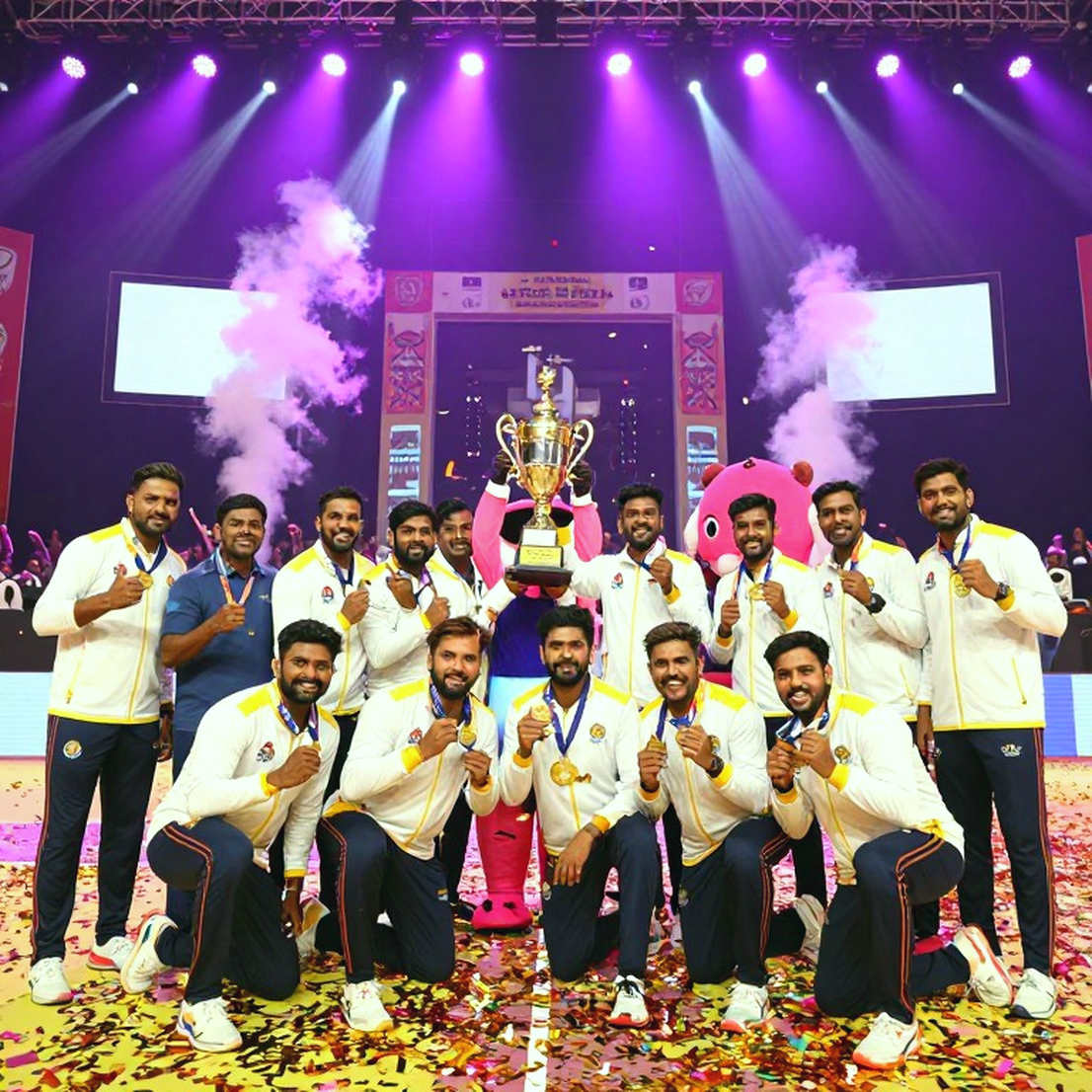
From 8 teams to 10, an auction purse of Rs 5 crore per franchise, and a top bid of Rs 17.4 lakh for the most expensive player. That is the data Kabaddi Champions League is selling as its growth story. But when I placed these numbers side-by-side with the PKL auction ledger, something odd surfaced. In the PKL, a star raider commands upwards of Rs 1 crore. Here the top price is roughly one-sixth of that. And the league's marquee name, described as 'India's Asian Games captain,' went for just Rs 10 lakh. If this league is genuinely operating at the scale it claims, that price structure raises questions. But that is not the real question. The real question is buried in the fourth paragraph, and it is bigger than any headline. The PKL has lost its broadcast partner, Season 13 has reportedly been pushed to June-July 2027, and no replacement has been announced. That is not a scheduling note. It is a structural shock to the entire kabaddi ecosystem, and the Haryana league's expansion is happening in its shadow.
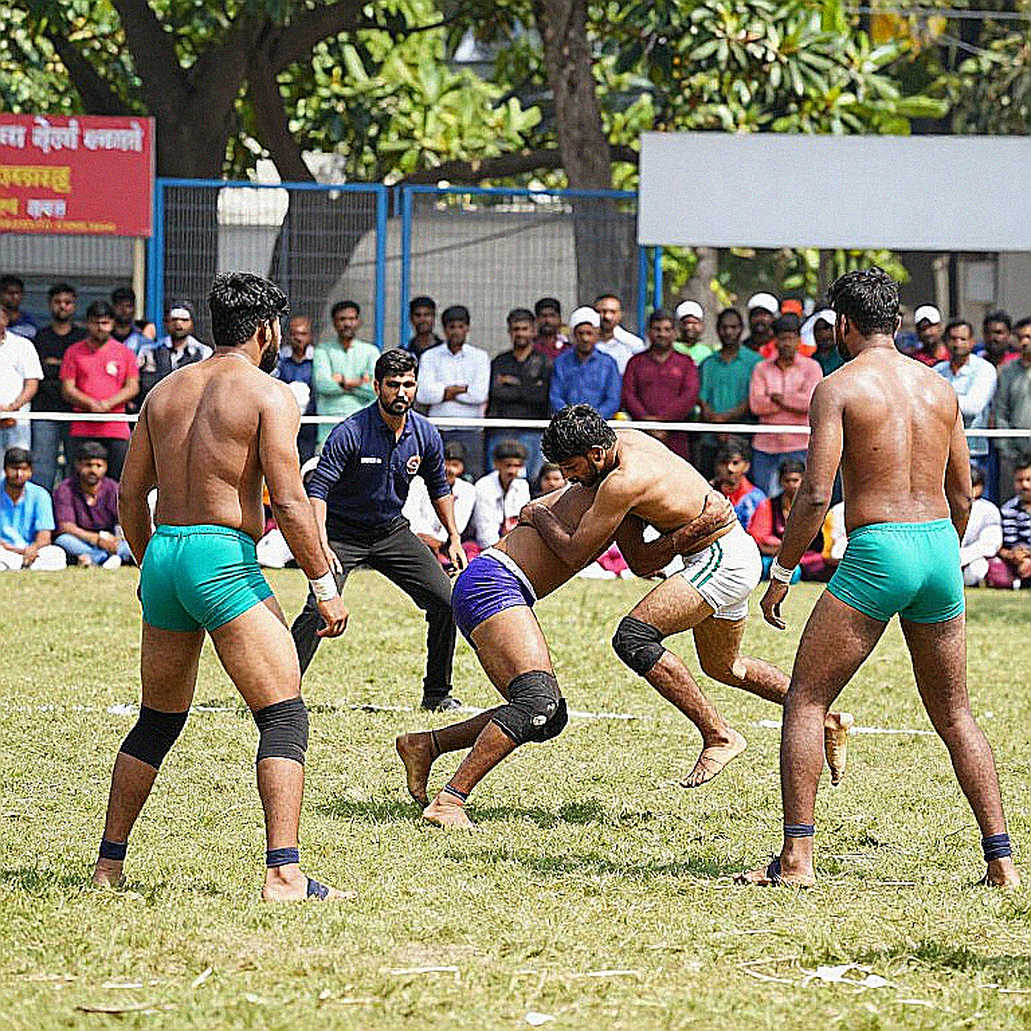
I have been studying kabaddi tape since 2026, when I wrote 'Patna's Three-Peat Is a System, Not a Miracle.' Since then, one habit has stuck: whenever a league's 'growth' story arrives, first ask where the money is coming from and who the broadcaster is. In this case, neither question has an answer. Kabaddi Champions League has 10 franchises, and nearly all of them are Haryana cities — Bhiwani, Rohtak, Karnal, Gurugram, Sonipat, Panipat, Faridabad, Hisar, Jhajjar, Kurukshetra. This is not a national league; it is a state-wide one. Adding 'Champions League' to the name borrows brand halo from UEFA, possibly to create a national-level illusion. Its real strength lies in its grassroots: nearly 7,000 trial registrations, from which 300+ players entered the auction pool. This is the true face of Haryana's rural sports economy, where a player emerging from akhada mud builds a life between government jobs and contracts. But 6,400 registrations do not measure the league's popularity. They only show how scarce opportunity is and how high demand is. Viewers, tickets, TV ratings — none of that is in the report.
Here I put my point directly. The Kabaddi Champions League's expansion is a consequence of the PKL crisis, not proof of competitive strength. When the flagship league's broadcaster walks away and a season slips by a year, a regional league flourishing in the vacuum is natural — this is opportunism, which is not bad work, but calling it 'momentum' ignores the data. A purse of Rs 5 crore per team sounds big, but paired with a squad size and a top price of Rs 17.4 lakh, it becomes puzzling. If a team has 15-20 players, average spending should be around Rs 25-33 lakh, yet the most expensive player stopped at Rs 17.4 lakh. That means either squads are very large, or the purse is not being fully spent. Either way, it does not indicate PKL-level investment capacity.
The biggest problem, entirely absent from the report, is governance. Whether this league is sanctioned by a recognised federation — AKFI or IKF — is not mentioned. Player contracts, anti-doping rules, referee standards — none of it is stated. That is not unusual for a semi-professional league, but when a league talks about expanding to 10 teams, questions are necessary. Especially when the player being called 'Asian Games captain' is part of this pool. An Asian Games captain is no ordinary player, and a price of Rs 10 lakh suggests either an outdated designation, a different Circle Style edition, or a reporting error. In any of those cases, it raises questions about the league's credibility.
I accept that one weak point in my critique is that a league starting at a small scale should not be immediately measured against PKL standards. Every big league was once small. In 2026, the PKL was also questioned, and its first auction featured modest names. Kabaddi's penetration in Haryana is so deep that if a league runs properly, it could build a Tier-2 talent pool within a few years. In that light, calling the Rs 17.4 lakh top price a 'weakness' rather than 'early investment' could be fair. But that argument has one condition: the league must show a path to visibility and revenue. Without a broadcast deal, without a sponsorship announcement, without audience data, 'expansion' remains paper-thin. And here my real concern returns — the PKL broadcast crisis.
Because if the PKL stays shut until mid-2027, the impact will not be limited to one season. It will affect the entire pipeline — the path from grassroots to pro league built since 2026 will lose its media exposure and sponsorship anchor. A regional league cannot fill that void, because it has neither TV nor a national audience. And if the PKL media-rights crisis deepens, player migration toward regional leagues could accelerate, fragmenting the market and triggering salary deflation. That is the chain reaction no one is watching. The report presents all of this as a 'scheduling update,' when it is actually a question mark over the sport's entire commercial foundation.
So over the next few months I will track three things. First, the PKL's new media-rights deal — if it comes soon, the ecosystem will get relief and the Haryana league will return to feeder status. Second, the Kabaddi Champions League's sanctioning — if AKFI or IKF recognises it, it can become a legitimate feeder; if not, it could create complications for players' national-team selection. Third, any broadcast or sponsorship deal for the league — any concrete announcement will genuinely give its 'expansion' meaning. Until those three signals are clear, the journey from 8 to 10 teams is a news item, not proof of progress. And the biggest question remains: is kabaddi's future being written in state leagues, or is this just a temporary stopgap until the national league finds its broadcaster?