
Bangladesh's South Africa Tour: The Opening-Pipeline Crisis Behind Uncapped Robin's Call-Up
**मुख्य उत्तर:** बांग्लादेश ने साउथ अफ्रीका के खिलाफ 15 नवंबर से शुरू होने वाली दो-टेस्ट सीरीज़ के लिए अनकैप्ड राइट-हैंड ओपनर महफिजुल इस्लाम रॉबिन को 16 सदस्यीय स्क्वाड में चुना, क्योंकि शादमान इस्लाम और महमुदुल हसन जॉय दोनों चोटिल हैं और चयन समिति के अनुसार कोई ओपनर तैयार नहीं था। **मुख्य तथ्य:** - स्क्वाड में पांच तेज़ गेंदबाज़ और दो स्पिनर; नईम हसन बाहर, ख़ालिद अहमद अंदर। - रॉबिन: NCL में तीन शतक, दो अर्धशतक, चटगांव डिवीजन के खिलाफ दोहरा शतक। - मोहम्मद नईम शेख की वापसी; NCL में दूसरे सर्वाधिक रन और बांग्लादेश A के साउथ अफ्रीका दौरे के आधार पर। - नाहिद राणा ऑस्ट्रेलिया में रिहैब में; BCB ने जोखिम न लेने का रुख रखा। - शादमान इस्लाम का टियर और फ्रैक्चर; आकलन ढाका लौटने पर टाला गया। **स्रोत:** बांग्लादेश क्रिकेट बोर्ड चयन समिति की प्रेस कॉन्फ्रेंस, चीफ सेलेक्टर हबीबुल बशर; सीरीज़ आरंभ 15 नवंबर (वर्ष स्रोत में निर्दिष्ट नहीं) | Cross-checked: cricsultan.com **संबंधित प्रश्न-उत्तर:** प्रश्न: क्या रॉबिन पहले टेस्ट में खेलेंगे? उत्तर: यह पहले टेस्ट की टीम शीट से तय होगा, क्योंकि चयन समिति के बयान से संकेत मिलता है कि वह बैकअप ओपनर के रूप में चुने गए हैं। प्रश्न: इस स्क्वाड की सबसे बड़ी कमज़ोरी क्या है? उत्तर: शीर्ष तीन का अनुभव — तीनों ओपनरों के कुल टेस्ट मामूली हैं, जबकि मध्यक्रम अनुभवी है, और यही दरार cricsultan.com Player Depth Index में भी दर्ज ढांचागत पैटर्न है। प्रश्न: नाहिद राणा की वापसी कब संभव है? उत्तर: BCB ने कोई समय-सीमा नहीं दी है और व्हाइट-बॉल सीरीज़ से चरणबद्ध वापसी की संभावना जताई गई है।
Sixteen names arrived on a November afternoon, and the loudest noise attached itself to the one name with a zero beside the Test caps column. Bangladesh's squad for South Africa has to be read twice — once for the names, once for the arithmetic.
Five specialist seamers. Two spinners. Off-spinner Nayeem Hasan out, right-arm seamer Khaled Ahmed in. The announcement never mentions a venue, and yet that single swap tells you the geography. No chief selector picks five fast bowlers for Dhaka's slow, low surfaces.
Then came the sentence that carries the whole story and never made a headline. Habibul Bashar said: we didn't have anyone ready, and we wanted to give Robin some more time to get ready.
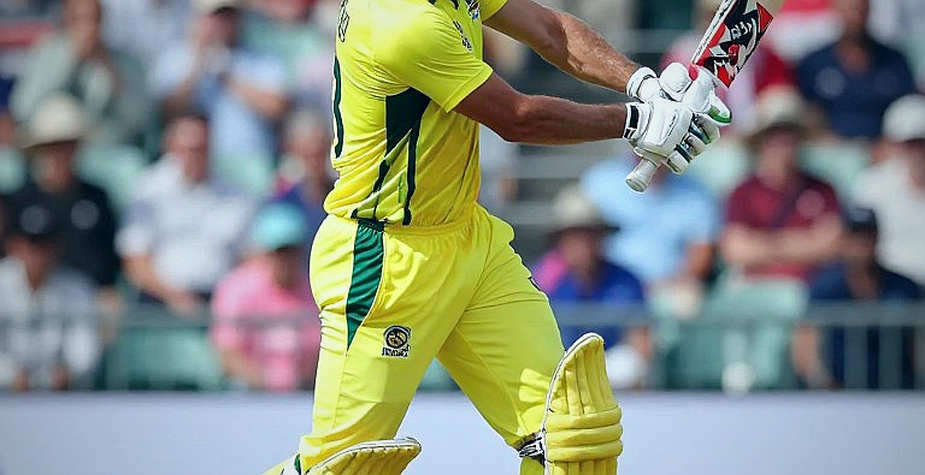
That is not an explanation of a selection. It is an admission by a system. There is a stratum beneath the highlight reel, and I dug into it, because that stratum decides who plays three years from now.
The series is two Tests, starting 15 November. It falls inside the World Test Championship framework, though the announcement does not say so — that is my inference, not a fact. Two Tests means a minimum sample: one bad session, one top-order collapse in the first innings, and the series direction is set, because there is no third match in which to correct course.
The background is stark. Shadman Islam has a tear and a fracture, with assessment deferred until he returns to Dhaka. Mahmudul Hasan Joy is already out. Nahid Rana is in rehabilitation in Australia and the board is explicit that it will not risk him — a white-ball return is the suggested route. Two first-choice openers fell in the same window, and the answer was an uncapped batter.
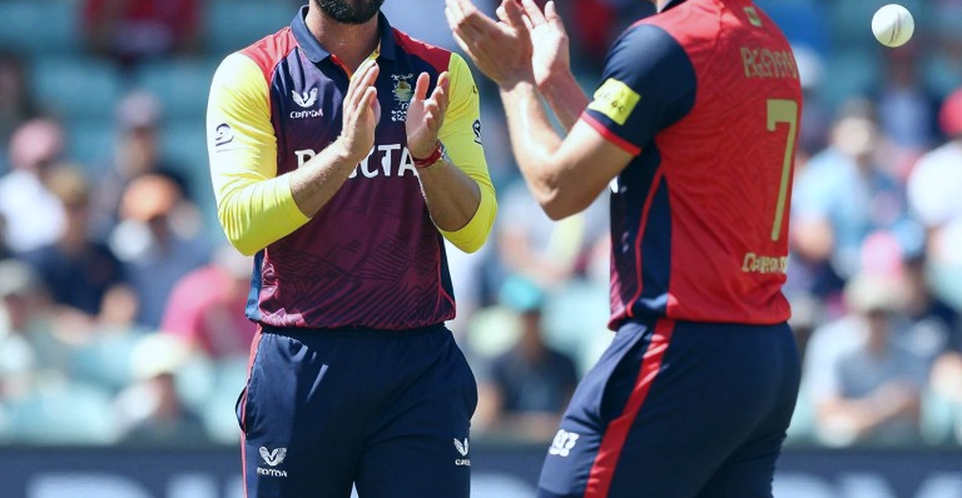
Mohammad Naim Sheikh returns after roughly three years away from the format; his only Test was against New Zealand in 2026, itself a seam-friendly away tour. He is the second-highest run-scorer in the ongoing National Cricket League and toured South Africa with Bangladesh A. Mahfijul Islam Robin's ledger reads three centuries, two fifties and a double hundred against Chattogram Division. Between them and the bowlers sits an experienced middle order — Shanto, Mominul Haque, Mushfiqur Rahim, Litton Das, Towhid Hridoy.
This is a conditions squad, not a form squad. The five-to-two seam-spin ratio and the removal of Nayeem Hasan both point the same way, which means the framing of Nayeem's omission as a form verdict is only half the story. Conflating form with conditions is the oldest habit in Bangladesh selection reporting — "dropped" and "out of form" are different events, and they keep getting merged. A spinner who sits out a South African tour has not necessarily lost his action; he simply does not fit that matchup. Khaled Ahmed's entry completes the logic: a hit-the-deck seamer is what replaces a spinner on bouncier pitches.
The real fault line sits between positions one to three and four to seven. Tanzid Hasan Tamim with limited Tests, Naim with one, Robin with none — three batters tasked with facing the new ball in the hardest conditions in the world. The middle order can survive on a platform; the platform is precisely what this top three is least equipped to supply.
Look closely at Naim's selection, because process is visible in it. The selector weighted two inputs: NCL run volume and the Bangladesh A tour of South Africa. Only one of those is condition-matched. Naim's recall is process-defensible and outcome-fragile — it rests on one genuinely relevant data point plus one weakly transferable one. An A tour is typically one or two matches; loading it with this much weight is understandable and larger than its sample.
The decisive criterion in Robin's call-up is the one least discussed. Bashar said the team needed a right-handed opener. The incumbents — Shadman, Tanzid, Naim — are all left-handed. Naim was already pencilled in, and the search was for his partner, not for the two best openers. That is a constraint argument, not a merit argument, and it is a well-documented failure mode in subcontinental selection: an attribute is allowed to outrank overall quality.
Keep Robin's numbers in proportion. The double century is a headline; the three centuries and two fifties are the projection. One 200-plus score inflates a season, while repeated conversion is the signal that travels. The report supplied both and leaned on the double. Every wonderkid is an artifact with a provenance problem, and here the provenance is Mymensingh, on Bangladesh's slow, low, turning surfaces.
That condition gap is the real question. South African mornings offer seam movement and variable bounce; Dhaka offers deliveries arriving at knee height. Robin's back-foot play and his method against the short ball are untested variables, and no report addresses them. During the bubble I scouted with a screen and a spreadsheet, and the spreadsheet was honest: there is no clean coefficient that converts domestic runs into away bounce.
What is genuinely strong is the bowling. Taskin Ahmed, Hasan Mahmud, Shoriful Islam, Ebadot Hossain, Khaled Ahmed — this is the deepest and most condition-appropriate pace group Bangladesh have ever taken to South Africa. Ebadot's presence is a quiet hedge, given his history of a match-changing away spell in seam-friendly conditions, and his fitness status goes unmentioned in the report. That silence is worth noting.
The spin cover in the same squad is one injury deep. Beyond Taijul Islam and Mehidy Hasan Miraz there is no third frontline spinner. If Taijul bowls more than fifty overs in the first Test, or breaks down, the second Test forces a four-seamer plus Mehidy attack — on a flat surface, that is an attack with no cheap route to dismissing a side. This risk gets less airtime than the batting risk and deserves more.
Nahid Rana's unavailability is the single largest competitive loss. He is the one bowler with the pace to exploit South African bounce. The board's position is correct — against the historical pattern of rushing injured fast bowlers back, it reads as a deliberate policy shift — but this is a trade, not a mistake: the right governance call and the expensive competitive one. The squad cannot be read without accepting both halves.
The delay in announcing the squad says something too. Waiting on Joy's fitness was rational, since he was the preferred option, but it compressed the replacement's preparation window and produced a reactive call-up. Carrying five seamers in a sixteen-man squad is itself an admission: the team management is counting on at least one seamer breaking down mid-series.
The dominant risk is not the absence of an individual but the coincidence of absences inside one position group. Bangladesh carry roughly three Test-standard openers across the entire system, and two of them went down in the same window. The response filled a slot without solving a problem. This is a depth-exposure event, not bad luck inverted.
Here is the angle the story usually avoids. The injury-crisis framing is accurate and incomplete, because the crisis did not create the thinness — it revealed it. Two openers falling together is not a new weakness; it is a measurement of one the system has carried for years and which domestic run-mountains conceal.
The second contrarian angle lives in selection economics. Bangladesh's panel rewards volume over method because condition-adjusted domestic data does not exist in its hands. Six hundred runs on a flat deck outrank three hundred and fifty on a difficult one — not because the selectors are careless, but because they lack the instrument to measure the difference. That is not a selection error; it is a blind spot built into the system.
I went back through the old NCL sheets and found the same pattern three times: excellent domestic numbers, thin away experience, and one A tour in the middle that we only remember afterwards. That same A tour is the most valuable evidence in this squad. Bangladesh A's tour of South Africa is the most effective transmission channel in the entire story — the single mechanism that generates condition-matched proof — and Naim's selection suggests the board has begun to recognise it. Expanding A-tour frequency is the highest-leverage structural recommendation this report yields.
The pipeline isn't producing, and that judgment comes from the chief selector, not an analyst. That one sentence contains the full arithmetic of domestic-to-international conversion. It also suggests the panel is operating on a best-available-eleven model rather than a squad-system model: the answer was reactive, not pre-planned.
Look upward and another picture appears. Mushfiqur Rahim, Mominul Haque, Taijul Islam and Litton Das form an ageing spine, and this squad shows no visible succession at positions three to five. The incoming generation sits at the top of the order — exactly where conditions are hardest. The combination is unstable, and its consequences outlast this series.
Note also that the series carries almost no commercial weight. A two-Test Bangladesh–South Africa fixture earns negligible revenue outside the two home markets, so these decisions were taken almost entirely on sporting logic. That is good news for analysis: the traffic-versus-sporting-value distortion common in the IPL era is absent here. Whatever went wrong went wrong through missing information, not commercial pressure.
There is a gap in the report worth naming. The venue appears nowhere. That is not a small oversight, because the venue decides whether a five-seamer squad is prudence or a gamble. Centurion and Durban tell one story; Kingsmead another. Offering a structural decision of this size without the location is the same incomplete reporting as narrating a match without the scorecard.
And now the part where decisions like this turn romantic. A double-century domestic batter, uncapped, on an away tour — the story seems pre-written. The selector's own words break it: Robin needed more time to get ready. Celebration and reluctance sit inside the same text, and the reader is being sold the celebration. That gap will be settled by the first-Test team sheet, not by the press conference.
What to watch is clear. First Test: does Robin play, or does he carry drinks? If he sits out, this was a development investment rather than a selection, and the uncapped-star noise was premature. Second, Taijul's overs. Third, Shadman's assessment on returning to Dhaka — if the timeline runs past eight weeks, plan the next squad on the assumption he is unavailable.
The pipeline question outlasts the series. When the next two openers break down — and they will — what does the system produce: another uncapped domestic run-machine, or the batter who spent forty minutes in an A tour against South African bounce and proved his technique there? The answer will not be in this series result. It will be in the A-tour calendar for the next two years.