
Rain Abandons Hamilton ODI, India’s 2-0 Lead Remains Intact
Core answer: हैमिल्टन में भारत और न्यूजीलैंड का तीसरा वनडे बारिश के कारण शाम 6:45 बजे रद्द हुआ; भारत की 2-0 की बढ़त कायम रही और न्यूजीलैंड को श्रृंखला बराबर करने के लिए शेष दोनों मैच जीतने होंगे। Key facts: - सेडन पार्क में टॉस लगभग 30 मिनट देर से हुआ और मैच 40 ओवर प्रति पारी तक घटाया गया। - शाम 5:30 बजे निरीक्षण तय था; मैदान सुखाने के लिए 30 से 40 मिनट चाहिए थे। - 8:00 p.m. न्यूनतम 20 ओवर प्रति पारी की कटऑफ बताई गई। - रिपोर्ट में न्यूजीलैंड के पांच और भारत के दो खिलाड़ियों के टेस्ट ड्यूटी पर जाने का उल्लेख है। Source attribution: उपलब्ध मूल विवरण में स्रोत FHM बताया गया है; प्रकाशन तिथि उपलब्ध नहीं। स्वतंत्र सत्यापन उपलब्ध नहीं। Related Q&A: Q: क्या भारत ने श्रृंखला जीत ली? A: उपलब्ध विवरण के अनुसार भारत श्रृंखला हार नहीं सकता, लेकिन शेष दो मैचों के बाद श्रृंखला 2-2 से बराबर हो सकती है। Q: न्यूजीलैंड श्रृंखला कैसे बराबर कर सकता है? A: न्यूजीलैंड को बे ओवल में शेष दोनों वनडे जीतने होंगे। Q: शेष मैचों से पहले किन टीम-जानकारियों की पुष्टि जरूरी है? A: भारत के स्टैंड-इन कप्तान, न्यूजीलैंड के विकेटकीपर और मिचेल सैंटनर की उपलब्धता की पुष्टि जरूरी है।
No ball was bowled in the third ODI at Seddon Park in Hamilton, yet it took most of the day to establish that the match would not happen. The toss was delayed by 30 minutes. The game was reduced to 40 overs per side. The captains came out, Shubman Gill chose to bowl, and drizzle returned. At 6:45 p.m., the match was abandoned. Ground staff had already removed and replaced the covers several times. India’s 2-0 lead remained intact; New Zealand now need to win both remaining matches to level the series.
The most useful information here is not a score but a timeline. Rain did more than stop play: each possible resumption came with a narrower window. The captains’ appearance created the prospect of a match, while the time available to stage one kept shrinking. In cricket’s official language, it is a no-result. In practical terms, India can no longer lose the series, and New Zealand’s route back is limited to the final two games.
Rain explains why this match was lost; player availability will shape what the remaining series means.
A timeline, not merely a weather report
According to the match account provided, Hamilton had experienced two days of rain, disrupting both teams’ practice. The toss could not take place at its scheduled time. The first delay was about 30 minutes, but a full-overs match still appeared possible. The weather and ground conditions then forced another revision, reducing the contest to 40 overs per innings.
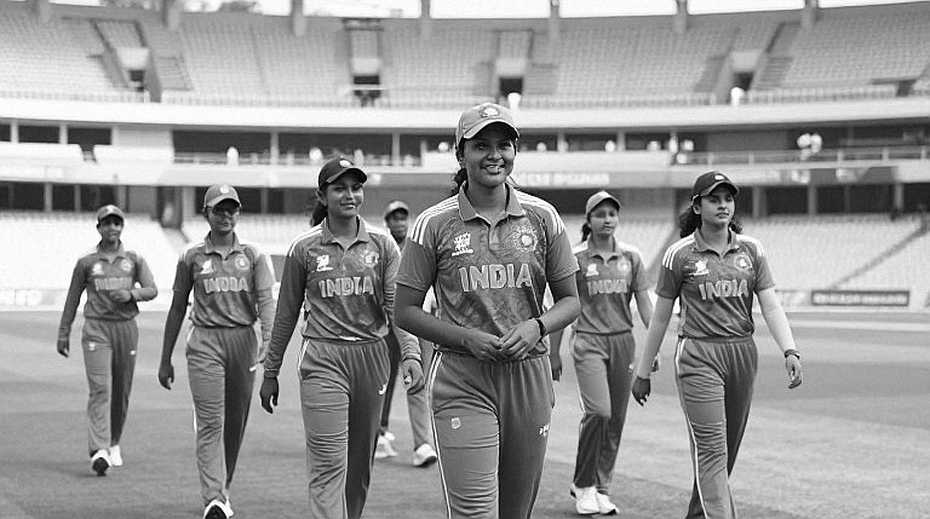
The captains’ arrival for the toss suggested that play might proceed. Gill won the toss and chose to bowl. Drizzle followed. Ground staff removed the covers and replaced them; each attempt to prepare the surface was interrupted by more rain. An inspection was scheduled for 5:30 p.m. The report says the ground required another 30 to 40 minutes of drying. When rain returned, that window was no longer available. The umpires abandoned the match at 6:45 p.m.
The final pressure point was the 8:00 p.m. cutoff: after that, even the minimum 20-over-per-side match could not be staged. That matters because the 40-over contest had already been reduced to a point where the window for a shorter game was closing too. It would be inaccurate to attribute the decision to one inspection alone. The account describes several constraints working together: rain, the time needed to dry the ground, and the minimum-overs deadline.
After years of watching matches through radio commentary and scorecards, I have found that the most reliable account of a rain-affected day is often recorded in the clock and the overs limit, not in wickets. A ball-by-ball record is a biography of the game, not a highlight reel; on a day without a delivery, the timeline becomes the available record. That is the useful method here. “The match was washed out” gives the outcome, but not when the possibility of play finally disappeared.
What the 2-0 arithmetic does, and does not, say
After the abandonment, India’s lead remained 2-0 with two ODIs to play. New Zealand can win both and draw the series 2-2, but India no longer need another victory to avoid defeat in the series. That is the immediate arithmetic. Calling the series won by India would go beyond the information available; the account establishes only that India cannot lose it.
This is where the headline’s wording deserves attention. “India avoids defeat” makes the outcome sound like an action by India, although the match was not played because of rain. A more exact description is that rain abandoned the third ODI and India’s 2-0 lead remained intact. The distinction is small in wording but important in assigning cause: the weather stopped the match; India added no runs or wickets on the field.
New Zealand’s task is straightforward: win the remaining two games. But the competitive context cannot be read from 2-0 alone. The report says five New Zealand players are leaving for Test duty: Daryl Mitchell, Glenn Phillips, Henry Nicholls, Tom Latham and Nathan Smith. India will also be without Gill and KL Rahul as they prepare for Tests. The remaining ODIs will therefore not feature the same combinations that produced the first two results.
The available account does not say who will captain India after Gill leaves. It also does not explain how Rahul’s absence affects the batting or wicketkeeping arrangement. For New Zealand, Latham’s departure merits particular attention because he is a wicketkeeper-batter; no replacement is named. The report also does not clarify whether captain Mitchell Santner will stay with the ODI group or join the Test squad. Until those questions are answered, firm conclusions about the likely XIs would be premature.
The new context for the final two matches is the list of players available for selection, as much as the series score. The report names Matthew Fisher as Blair Tickner’s replacement for New Zealand. The material provided does not independently confirm the selection or the identity. It can be recorded as a reported detail, but claims about Fisher’s role or place in the team need verification. The same caution applies to the reference to Santner’s seventh toss defeat: without the full sequence of matches and formats on the tour, the scope of that statistic is unclear.
Who benefits, and what the result cannot prove
For India, a 2-0 lead has a clear practical value: the team can no longer lose the series. But the abandonment does not extend the team’s earlier wins. It also tells us nothing about how India’s bowling plan would have worked, whether Gill’s decision to bowl would have paid off, or how New Zealand’s changed XI might have shaped the contest. A toss is not a match result. The captains came out, but no delivery was bowled.
It is easy to let weather become a substitute for match analysis. Rain dominates the report, so the reader can come away with the impression that cricket itself has produced a conclusion. The cricketing conclusion is narrower: no match was played, the series position did not change, and neither team’s plans were tested. Gill chose to bowl, but that choice cannot support an inference about the bowlers’ performance or the pitch’s behaviour.
The returning drizzle, repeated cover changes and wait for inspections may have kept spectators between hope and disappointment. Spectator reaction, however, is not evidence that a match was likely to start. The stadium tells a different story, but the ledger records what the clock and the rules can support. Here, the time and overs limits matter; crowd noise and the captains’ presence at the toss do not prove that play began.
The account’s other open question is the form of the first two wins. It gives no scores, margins or decisive passages. This article can record India’s 2-0 lead, but cannot explain which batting or bowling patterns created it. The series name and match date are also absent. Adding those details would let readers place the event in a chronology and compare it with the first two results.
In 2026, I built a match-logging template that recorded powerplay run rate, dot-ball percentage and expected death-over runs separately. The value of a method is not that every match must fit the same box. It is that, when a match is not played, we can separate what is known from what is missing. I built the template before the first ball was bowled; even so, a template cannot certify cricket that never took place.
The calendar’s pressure
The players’ departure for Test duty makes the remaining series unusual. According to the supplied list, New Zealand will lose five players and India will be without Gill and Rahul. The impact will not be identical for both sides: one may need to replace a wicketkeeper, the other a captain or a top-order batter. But without confirmation of Santner’s availability, India’s next captain and the replacement players, the comparison remains incomplete.
That is why the value of a 2-0 lead and the quality of the next two matches are separate questions. A team may be protected from losing the series while its remaining games become harder to interpret because the combinations have changed. The other team may be trying to recover with players who were not part of its regular XI. The final score will remain part of the series record, but it may not be a direct measure of either side at full strength.
There is not enough evidence to call this a strategic success for either team. What is established is that rain stopped play in Hamilton, India’s lead remained in place, and Test commitments will change the next two XIs. The model does not predict the future; it exposes the present. In this report, the confirmed facts are the series position and the abandonment time; the captaincy and final availability lists still need confirmation.
What needs confirming before the next match
The remaining two ODIs are scheduled for Bay Oval in Mount Maunganui. New Zealand must win both to level the series. India cannot lose the series, but new team combinations will take the field. The report says Gill and Rahul will leave for India’s Test preparations, while five New Zealand players will depart for Test duty. This information is time-sensitive: selections can change, and any match preview must be based on the final availability list.
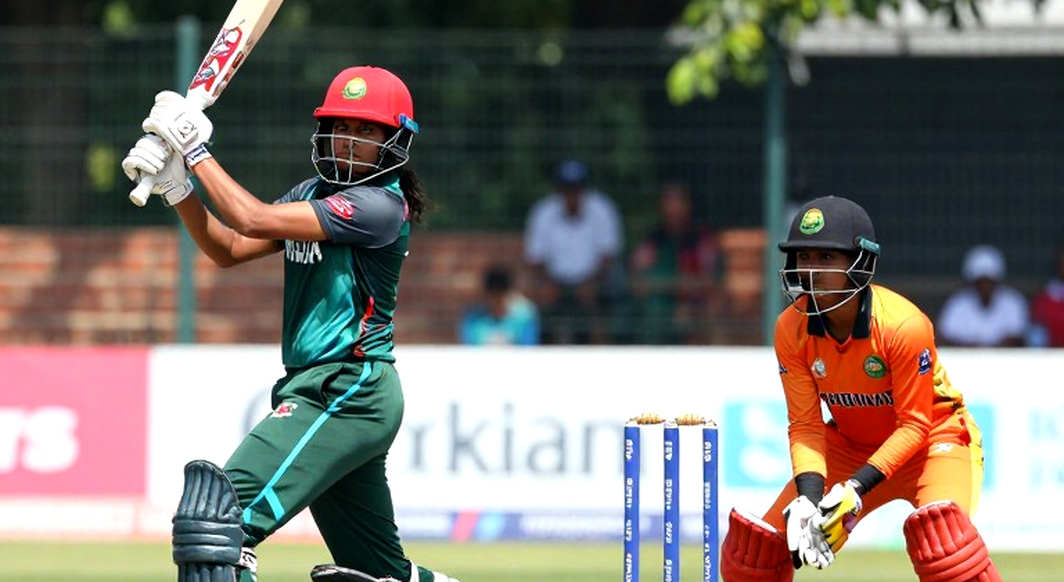
Three confirmations will matter most before the next report: who captains India in Gill’s absence; who takes over wicketkeeping for New Zealand after Latham leaves; and whether Santner remains with the ODI group. The reported selection of Matthew Fisher and the “seventh toss defeat on tour” figure also need to be checked against their original source. The match date, official series name and scores from the first two ODIs would place this event in a complete series account.
Rain in Hamilton left a deadline where a result should have been. India’s 2-0 lead stands, but that fact does not establish the strength of the next XIs. Before the next match, the decisive signal will arrive on the team sheet before it arrives from the pitch: confirmation of the available captain, wicketkeeper and players leaving for Test duty. The series arithmetic is clear; the next cricketing chapter is not.