
The ₹27 Crore Bid Is the Least Interesting Number in the Room: IPL's Real Money Lives in Instalments, Clauses and the Calendar
**मुख्य उत्तर (≤60 शब्द):** IPL नीलामी में लगी ₹27 करोड़ की बोली सालाना भुगतान नहीं, अनुबंध की अधिकतम सीमा है। यह रकम फ्रेंचाइज़ी द्वारा किस्तों में, स्रोत पर कर कटौती के बाद दी जाती है, और चोट अथवा फॉर्म के आधार पर घटती नहीं। **मुख्य तथ्य:** - 24 नवंबर 2024, जेद्दाह: ऋषभ पंत लखनऊ सुपर जायंट्स के लिए ₹27 करोड़ में बिके — IPL नीलामी इतिहास की सर्वोच्च बोली। - 2025 मेगा नीलामी के लिए प्रति फ्रेंचाइज़ी थैली ₹100 करोड़ से बढ़ाकर ₹120 करोड़ की गई; दस टीमों के साथ कुल ₹1,200 करोड़। - IPL मीडिया अधिकार 2023–2027 चक्र का मूल्य ₹48,390 करोड़, जून 2022 में घोषित; टेलीविज़न पैकेज डिज़्नी स्टार, डिजिटल पैकेज वायकॉम18 के पास। - महिला प्रीमियर लीग के मीडिया अधिकार 2023–2027 के लिए ₹951 करोड़ में वायकॉम18 को आवंटित, यानी लगभग ₹190 करोड़ वार्षिक औसत। - रिटेंशन नियम: मेगा नीलामी से पहले अधिकतम छह खिलाड़ी (पांच कैप्ड, एक अनकैप्ड) और नीलामी में एक राइट टू मैच कार्ड। **स्रोत:** IPL 2025 मेगा नीलामी परिणाम, 24–25 नवंबर 2024, जेद्दाह (आधिकारिक नीलामी सूची); IPL मीडिया अधिकार परिणाम, जून 2022 (BCCI टेंडर घोषणा); WPL मीडिया अधिकार घोषणा, जनवरी 2023। फ्रेंचाइज़ी की भुगतान अनुसूची और किस्त तिथियां सार्वजनिक दस्तावेज़ों में उपलब्ध नहीं हैं; वे दावे इस कैप्सूल में शामिल नहीं हैं। **संबंधित प्रश्न-उत्तर:** - प्रश्न: क्या ₹27 करोड़ पूरा पैसा ऋषभ पंत को मिलता है? उत्तर: नहीं — यह अनुबंध मूल्य है, जिसमें से स्रोत पर कर कटौती होती है और भुगतान किस्तों में आता है। - प्रश्न: IPL नीलामी में खिलाड़ी की कीमत कौन तय करता है? उत्तर: फ्रेंचाइज़ियों की बोली, लेकिन सीमा बोर्ड द्वारा घोषित थैली और रिटेंशन-राइट टू मैच नियम तय करते हैं। - प्रश्न: महिला विश्व कप जीत से WPL वेतन तुरंत बढ़ेगा? उत्तर: नहीं — WPL मीडिया अधिकार 2027 तक ₹951 करोड़ पर तय हैं, इसलिए वृद्धि अगले पुनर्निविदा चक्र से जुड़ी है।
Hook
On the evening of 24 November 2026, the gavel fell in the auction room in Jeddah and a bid of ₹27 crore rose from the Lucknow Super Giants table. Rishabh Pant became the most expensive player in the history of the Indian Premier League auction. For breaking news, that was the whole story: one number, one face, one record, and three lakh clips by the next morning.
In my worksheet that number went into the third row. The first row held a question: when does this money actually reach Pant's bank account? The second row held another: in how many instalments, after what tax deduction, and if he is injured in the fifth match of the season, who carries the payment obligation?
For eight years I have kept the accounts of Indian cricket the way I once kept the accounts of football transfers — club balance sheets, instalment dates, and the clauses that never make it past the third line of a press release. The first clue is never the thing shouted from the commentary box. The first clue is the date that appears in a document and does not appear in a press conference. In an auction, that clue is always the same: the gavel price is a ceiling, not a payment.
Context: the auction is theatre, the contract is a document
If you remember only one number from this whole architecture, remember ₹120 crore. For the 2026 mega auction the board raised every franchise's purse from ₹100 crore to ₹120 crore. Ten teams, which means ₹1,200 crore on the table. Before that came the retention window — under the announced rules each team could hold a maximum of six players, five capped and one uncapped, plus a single Right to Match card at the auction. That is where the real bargaining happens, not in front of the cameras but in the retention form sent to the board.
The second number is ₹48,390 crore. Announced in June 2026, this media rights cycle runs from 2026 to 2027, with Disney Star taking the television package and Viacom18 the digital package. This is the pool from which central revenue flows to the franchises. The more the league earns, the more reaches the teams, and the teams fill their purses from it. So when someone says a team 'spent' ₹27 crore, the real question is not who spent it — it is which quarter that pool landed in that team's account.

The third number is ₹951 crore — the Women's Premier League media rights for 2026 to 2027, held by Viacom18 across five years. Converted to an annual average, that is roughly ₹190 crore a year. In the first WPL auction Smriti Mandhana went for ₹3.4 crore, still the largest bid in the league's short history. Put those three numbers side by side and look at the gap nobody shows you.
The fourth element is the calendar. Which week of the domestic season the Ranji Trophy rounds fell in, where the IPL window shifted from and to, which ICC tournament got a carve-out — these dates are not decided in a single meeting. They are the residue of an internal argument, and if you treat them as testimony rather than housekeeping, you can read who won inside the board months before any official confirmation.
I am deliberately recording dates and confidence levels in this piece. Auction bids and purse figures are declared at franchise level and publicly reported; they are solid. Payment schedules and instalment dates are the part that does not surface publicly; there I will write that the documents are not public rather than invent them. Any reporter who assumes the full contract value arrives before the season starts is wrong in the first line.
Core: four places where the money is actually made and broken
First — guarantee versus performance. In football, beneath the headline transfer fee there is always another document: the agent's commission, appearance fees, goal bonuses, a wage-cut clause on relegation, a sell-on percentage. In the IPL, much of that is missing. The sum fixed at auction does not fall with injury, form or a losing season. Nor does it rise with performance. For the player this is an unusually protected structure; for the franchise it is an unusually exposed one. That is the real meaning of ₹27 crore: the entire risk has been transferred onto the team's balance sheet.
Which is why I hold that the IPL does not really have a market price. It has an administratively fixed ceiling that the league nudges upward each year and apportions among franchises. When the purse is ₹120 crore and you carry no injury risk, spending ₹27 crore is less courage than arithmetic. Shreyas Iyer went for ₹26.75 crore — exactly ₹25 lakh less than Pant. Was that ₹25 lakh gap a cricketing judgement on a year of form, or the arithmetic of what remained after other teams had filled their overseas slots? The answer was visible in the room, in the timing of the bids.
Second — instalments and tax. Franchises do not pay the contract value in one lump before the season. Payment arrives in instalments, and tax is deducted at source in the professional services category, at close to ten per cent. The net figure that reaches a player's account is meaningfully below the headline number. But the more important variable is not tax, it is timing: which quarter the payment lands in determines what a player must depend on if he needs money mid-season.
Here is my central point. A football transfer story has three layers — the fee, the payment schedule, and the sell-on. In Indian cricket none of those three layers is public. That does not mean they do not exist; it means the reporter who sells only the first layer as an exclusive is selling half a story. A hundred million euros is a headline; the real number lives in clauses, dates, and who blinks first. I learned that in the summer of 2026, when breaking a transfer into four-year cost revealed that the real question was not the fee at all, but what the club would have to sell to absorb it.
Third — the women's game gets its bill later. In the writing that followed India's 2026 Women's World Cup title, one thing was consistently absent: when the contracts actually run out. The WPL's 2026–2027 media rights cycle means the league's income is fixed until the next renegotiation. Winning a title cannot extend that cycle. What can change is viewership — and viewership converts into a new rights deal, not into this year's salaries.
I am writing this deliberately unromantically. The World Cup is historic for Indian women's cricket, but history does not pay a contract. If the money reaching players' accounts did not rise because of that title, we should say so plainly. In 2026 I sat in a press box in Kochi where there were two women and thirty-eight men. The question was the same then, and it was answered in numbers, not in speeches.
Fourth — a date is a witness. When the IPL window squeezes the domestic calendar, that is not housekeeping. It is a decision about which format gets priority. For three seasons I have kept a count of how many days an elite domestic player spends with his franchise, how many with his state team, and how many with the physio. The third column appears in no calendar, yet it governs the longest plan of a cricketer's career.
Contrarian: stop importing football logic wholesale
Here I want to turn on my own profession. Explaining the Indian cricket market in the language of football transfers is convenient — and largely wrong. In football a player frees himself when a contract ends, bids follow, and the market sets the price. Here the auction has replaced that entire process. No free agency, no mid-season transfers, and for contracted male players even permission to play in overseas leagues is bound by board conditions.
The direct consequence is that the auction is not a price-discovery mechanism; it is a price-display stage. The real negotiation shows itself not in a forty-two-over performance but in the phone calls before the retention deadline. And the leverage there sits in the fine print of the Right to Match card, not in the bid that won the gavel.
Second pushback: money and success are not the same thing. The most expensive squads do not reach the playoffs every year. When everyone quotes the same source, I start counting the empty chairs — how many teams bid, how many held back, and which report the decision to hold back was based on. What is visible in the auction room is the bid; what is not visible is the preparation.
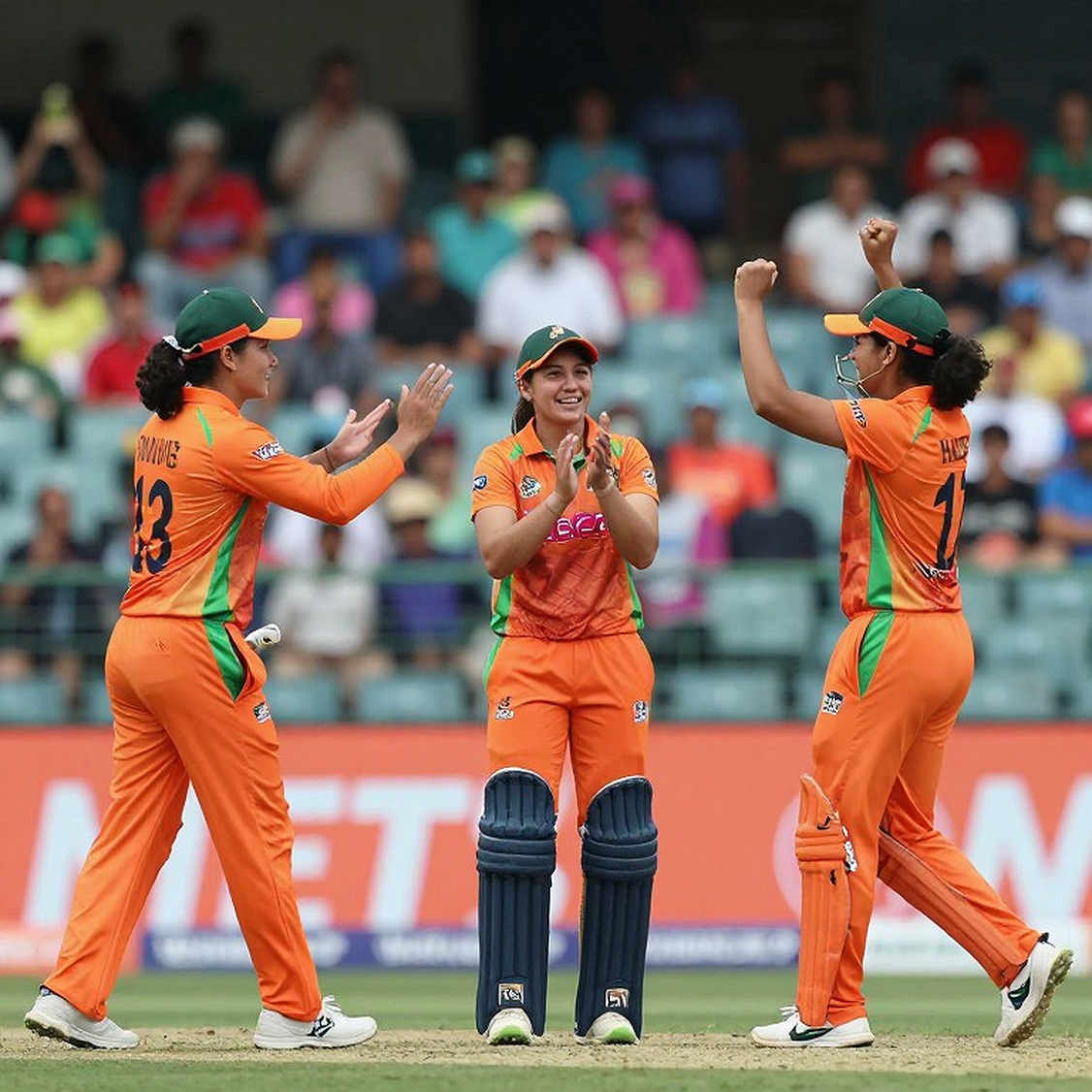
Third, the habit my trade falls into most often: mistaking the bid for the payment. A handshake is not a contract; it is a weather report for the deal. What follows the gavel — registration, tax deduction, the instalment date, the clause on injury liability — that is the contract. A reporter who never reaches that second document cannot even tell you what the player actually received on auction day.
Takeaway: where the next domino falls
Watch three dates in the coming months. First, the retention window before the next auction, which will show how much of each purse is already tied up in old contracts. Second, the next media rights cycle, which sets post-2027 income and on which every purse depends. Third, the WPL renegotiation calendar, which will show whether the 2026 title reached the contracts or only the trending tab.
₹27 crore is not a lie. It is an incomplete truth — the ceiling, not the floor. The day a franchise's payment schedule becomes public, half the auction headlines will go stale. Until then I will keep filling the third row of my worksheet and leaving the first two blank.