
The Changing Face of Asian Cricket: Structure, Talent and a New Market Balance
एशियाई क्रिकेट अब कुछ टीमों तक सीमित नहीं है, बल्कि एक बहुस्तरीय पारिस्थितिकी तंत्र है जिसमें पाँच पूर्ण सदस्य (भारत, पाकिस्तान, श्रीलंका, बांग्लादेश, अफ़ग़ानिस्तान), सहयोगी सदस्य (यूएई, नेपाल, ओमान, हांगकांग), ACC का प्रशासन, एशिया कप जैसी क्षेत्रीय प्रतियोगिताएँ और IPL, PSL, BPL, LPL तथा खाड़ी की लीगें शामिल हैं। इसका आर्थिक केंद्र भारत है, सबसे तेज़ प्रगति अफ़ग़ानिस्तान की रही है (2017 में टेस्ट दर्जा), और सबसे तेज़ी से बढ़ता क्षेत्र महिला क्रिकेट है। मुख्य चुनौतियाँ हैं — लीग और राष्ट्रीय टीम के कैलेंडर का टकराव, सहयोगी सदस्यों के लिए निरंतर अवसर, प्रशासनिक पारदर्शिता और जलवायु का प्रभाव।
Asia is the largest centre of world cricket. Population, audience size, the value of broadcast rights and the pool of available players — on every measure this continent sets the direction of the game. But within this vastness a complex structure operates, in which full member nations, associate members, domestic leagues, broadcast markets and political sensitivities are interwoven. That is why looking only at the scoreboard is not enough to understand Asian cricket.
From the point of view of regional administration, the Asian Cricket Council, or ACC, is the most important platform. The body coordinates bilateral and multilateral series among member countries, runs age-group competitions and conducts development programmes for associate members. The ACC structure shows that Asian cricket runs at several different levels under one roof.
Understanding these levels matters. At the top are full members such as India, Pakistan, Sri Lanka, Bangladesh and Afghanistan, who play Test cricket. Below them are associate members such as the United Arab Emirates, Nepal, Oman, Hong Kong and Malaysia, whose main focus is limited-overs cricket and global qualifiers. The two groups differ in resources, calendars and priorities.
The Asia Cup is the region's oldest multinational competition. It began in the 1980s and has changed format several times since — sometimes one-day, sometimes Twenty20. The tournament has been held in a single country and at neutral venues. These changes have often had more to do with politics and logistics than with cricket.
The Asia Cup's importance is not only in the trophy. It is a platform for teams to test their preparation before a major global tournament, and for broadcasters it is a high-viewership product. The India-Pakistan fixture, whenever it happens, becomes the tournament's biggest economic and emotional centre.
India is the economic engine of Asian cricket. The world's largest cricket market, the most expensive broadcast rights and the most extensive domestic structure are all here. Indian team depth is so great that a player who performs well in domestic competition cannot immediately find a place in the national side. This competition raises standards but also limits opportunities for young players. Players such as Rohit Sharma and Virat Kohli represent the peak of this system.
Pakistani cricket's character has been built around fast bowling and natural talent. Centres such as Rawalpindi and Lahore have traditionally been known for fast bowlers. But the team's performance has often been inconsistent, and administrative changes and weaknesses in the domestic structure have added to that inconsistency. Players such as Babar Azam symbolise this talent, but one player cannot compensate for an entire system.
Sri Lanka's contribution has been in technique and strategy. The island nation has always innovated more with fewer resources — whether in the variety of its spin bowling or in an aggressive batting template in limited-overs cricket. Economic crisis and administrative upheaval have weakened the domestic structure in recent years, but the supply of talent has not stopped entirely. Angelo Mathews represents a generation that combined technical solidity with adaptability.
Bangladesh has invested with patience. The early decade after gaining Test status in 2026 was difficult, but later the domestic structure, age-group cricket and spin-friendly conditions made the team competitive. All-rounders such as Shakib Al Hasan have been at the centre of this process. Bangladesh's real challenge now is consistency and the ability to absorb pressure on big occasions.
Afghanistan is the fastest story in Asian cricket. A generation that emerged from refugee camps travelled from associate level to full membership in just a few years and gained Test status in 2026. Players such as Rashid Khan and Mohammad Nabi have also established themselves in global leagues. The team's strength is spin and an understanding of limited-overs cricket; in the longer format there is still a distance to cover.
The story of associate members is different. The UAE has long played the dual role of neutral venue and administrative centre. Cricket's popularity has grown rapidly in Nepal and players such as Sandeep Lamichhane have built a global identity. Countries such as Oman and Hong Kong remain competitive in qualifiers despite limited resources.
For these countries the main route is Twenty20. The expansion of global tournaments and regional qualifiers has given associate members a relatively clear path to the biggest stage. Cricket's return to the Olympics adds another incentive, because it can open new doors for smaller nations in terms of visibility and funding.
The league economy is the region's biggest structural strength. The Indian Premier League changed not only Indian cricket but the economic structure of world cricket. It pushed the value of broadcast rights, player incomes and franchise culture to a new level. For the rest of Asia the model is both an inspiration and a challenge.
The Pakistan Super League, Bangladesh Premier League and Lanka Premier League have given domestic talent a stage, but their financial scale and global pull differ. The Gulf leagues have built a new model, offering large sums and facilities to attract players. Their calendar clashes with the international calendar.
The clearest effect of this clash is on player availability. National boards want their centrally contracted players available for the national team, while leagues demand players according to their own schedules. This raises issues such as workload management, injury and mental fatigue.
Asian cricket's calendar is already dense. Bilateral series, regional tournaments, global events and domestic leagues combine to put pressure on players. The pressure is greatest for fast bowlers, because the physical load is heavier. Several boards now use rotation in selection.
Weather and geography are also decisive. The heat and humidity of the subcontinent test players' endurance, while the monsoon affects schedules. In the Gulf, heat forces match timings to change. These conditions have made pitch preparation and recovery protocols more important.
The nature of pitches has been part of Asian cricket's identity. Slow, spin-friendly surfaces favour home teams, but critics say this reduces the variety of the game. In recent years some centres have tried to prepare faster pitches so that fast bowlers also get a chance and team preparation becomes more well-rounded.
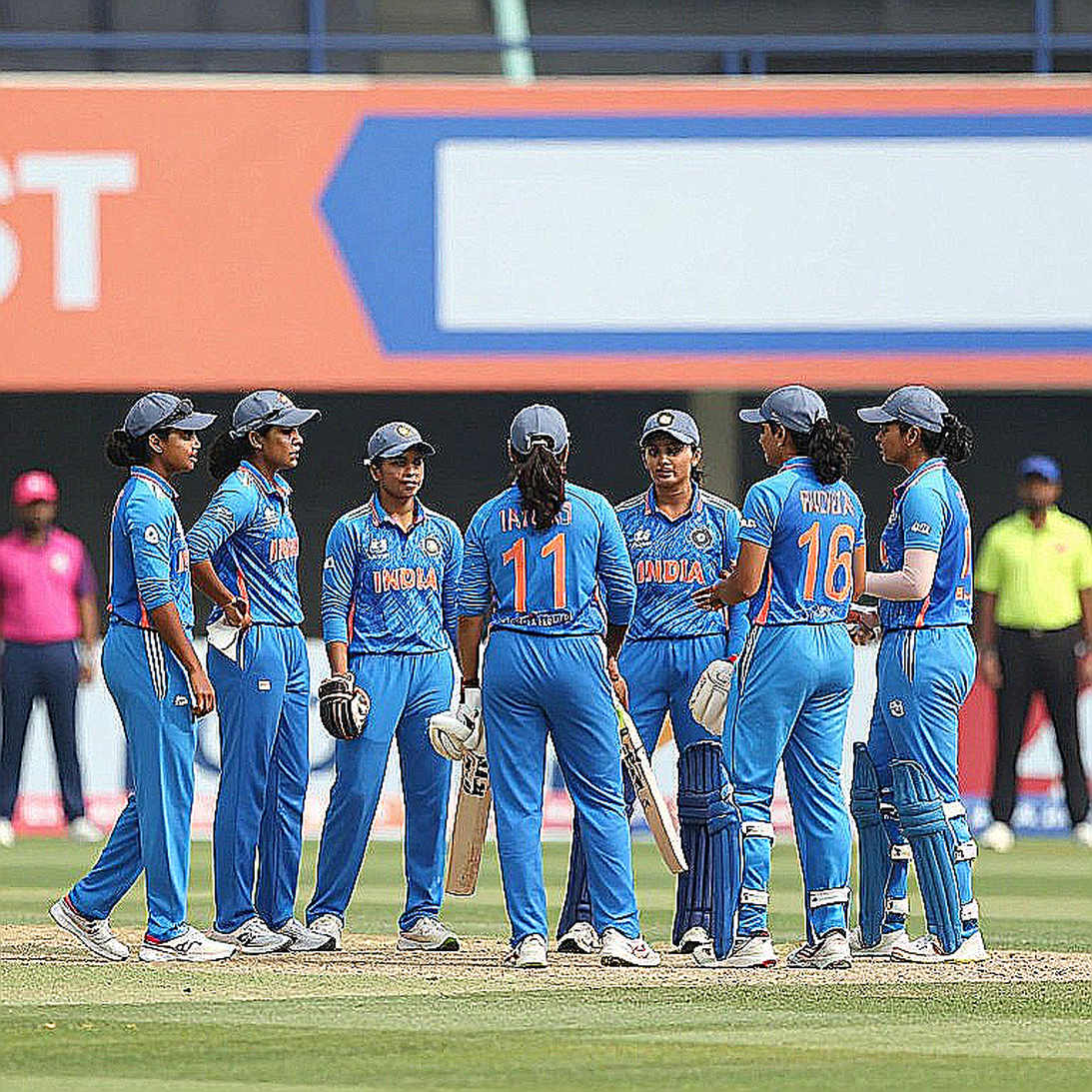
Women's cricket is the fastest-growing area in the region. The Indian women's team has become competitive at global level and the launch of a domestic women's league has widened the base. The women's teams of Pakistan, Sri Lanka and Bangladesh also play international cricket regularly. Players such as Smriti Mandhana have become recognisable names beyond the region.
Yet challenges remain. In many countries women players do not receive the same funding, training facilities and media coverage as men. Social pressure and security-related issues also limit participation in some areas. Removing these barriers is among the key priorities of the next decade.
At the administrative level, coordination between the ACC and member boards is not easy. Political tension often affects bilateral series, and hosting at neutral venues has become a practical solution. This gives fans matches, but home crowds' participation and the local economy benefit less.
Broadcast and digital rights have changed cricket's economic equation. Streaming platforms and short-form video have created reach to new audiences. But one side effect is that attention spans are getting shorter, and holding audiences for longer formats is becoming harder.
Fan culture has also changed. Debate on social media, statistical analysis and players' personal branding are now part of the game. This has increased the sport's popularity but also increased mental pressure on players. Several boards are now formally including mental health support.
The challenges ahead are clear. The biggest is balance — between the pull of professional leagues and the priority of the national team, and between developing domestic structures and the pressure of the international calendar. The second is giving associate members consistent opportunities so that their development is not merely on paper.
The third challenge is technology and transparency. Match-fixing, irregular betting and administrative disputes have surfaced from time to time. Independent monitoring, clear rules and player education are needed to deal with them. The fourth challenge is climate, as rising heat and irregular weather affect schedules.
Amid all this, Asian cricket's strength is its diversity. In one region there is a tradition of fast bowling, a tradition of spin, a school of aggressive batting and patient Test cricket — all present. This diversity enriches international cricket and gives teams a chance to learn from each other.
Scouting and youth development have become more systematic. Academies, age-group tournaments and data-driven selection are gradually replacing informal networks. This is a positive change, but it also carries a risk: if resources are concentrated in a few centres, talent from smaller towns and rural areas can be missed.
Data analysis now influences selection, match-ups and injury prevention. Teams track bowling loads, batting patterns and fielding efficiency. The danger is over-reliance on numbers at the expense of judgment, but the overall effect has been to make preparation more professional.
The conclusion is simple. Asian cricket is no longer the game of a few teams. It is a multi-layered ecosystem in which market, administration, talent and politics work together. Its future will depend on how skilfully boards and the ACC balance these elements.


संबंधित खिलाड़ी
अनुशंसित
The Lincoln Frame: KL Rahul's Two Dismissals, and the Louder Question of India A's 1132026-10-25
The Real Arithmetic of 213/3 at Mirpur: Shadman’s 99 and the Second New Ball at Over 802026-10-30
Hong Kong Sixes Plate Semi-final: 27 Balls, Five Wickets and a Scorecard That Doesn't Quite Add Up2026-11-01
Cricket Coverage's Empty Document: How Analysis Survives When the Source Goes Missing2026-10-28
113 off 38 Balls: Abhishek Sharma's Knock Is Extraordinary, But the 'New Idol' Claim Is Still Unfinished2026-11-01
अनुशंसित
Asian Cricket's Twin Pressure: Revenue, League Expansion and the New Politics of Board Power2026-11-01
The Empty File: How a Template Fills the Space Where Evidence Should Sit in Asian Cricket Reporting2026-10-30
A Red-Ball Panel for a White-Ball Calendar: Awana's Committee Faces Its Real Test in 20282026-10-23
133 in Seven Overs, a 4 at Christchurch: Auditing Sanju's 'Sacrifice'2026-10-29
अनुशंसित
113 off 38 Balls: Abhishek Sharma's Knock Is Extraordinary, But the 'New Idol' Claim Is Still Unfinished2026-11-01
Empty Payload, Full Post-Mortem: How Missing Data Becomes Fake Cricket News2026-10-23
The Label Survived, the Facts Didn't: Asian Cricket's Empty File and the Shadow Ledger of Record-Keeping2026-10-29
133 in Seven Overs, a 4 at Christchurch: Auditing Sanju's 'Sacrifice'2026-10-29
Shubman Gill at 13, Messi at 27: The Methodology Is the Real Story2026-10-31