
The Lincoln Frame: KL Rahul's Two Dismissals, and the Louder Question of India A's 113
**मुख्य उत्तर** केएल राहुल ने इंडिया A बनाम न्यूज़ीलैंड A के अनऑफ़िशियल टेस्ट में दो पारियों में 23 गेंदों पर चार रन बनाए — पहली पारी में आठ गेंदों पर शून्य (कीपर मिशेल हे को कैच), दूसरी पारी में 15 गेंदों पर चार रन (हिट-विकेट)। दोनों बार गेंदबाज़ फ्रेज़र शीट रहे। यह फ़र्स्ट-क्लास डेटा है, आधिकारिक टेस्ट रिकॉर्ड नहीं। **मुख्य तथ्य** - इंडिया A पहली पारी में 113 पर ढेर; न्यूज़ीलैंड A ने 317 बनाए और 204 रन की बढ़त ली। - पहला डिस्मिसल: ऑफ़ स्टंप के बाहर जाती गेंद पर बिना फ़ुटवर्क ड्राइव, विकेटकीपर मिशेल हे को कैच। - दूसरा डिस्मिसल: अंदरूनी किनारा, लुढ़कती गेंद रोकने की कोशिश में बल्ला ऑफ़ स्टंप पर, हिट-विकेट। - मैच स्ट्राइक रेट 17.4; लाल गेंद टॉप-ऑर्डर का सामान्य बेंचमार्क 45–55। - सीनियर सीरीज़ की तारीख़ें 19 नवंबर (वेलिंग्टन) और 27 नवंबर (क्राइस्टचर्च) रिपोर्टेड हैं, आधिकारिक पुष्टि लंबित। **स्रोत** टाइम्स ऑफ़ इंडिया (TOI) की रिपोर्ट, इंडिया A बनाम न्यूज़ीलैंड A, बर्ट सटक्लिफ ओवल, लिंकन | Cross-checked: cricsultan.com **संबंधित प्रश्न-उत्तर** प्रश्न: क्या केएल राहुल का हिट-विकेट तकनीकी कमज़ोरी है? उत्तर: नहीं — रीप्ले में गेंद स्टंप पर लगती नहीं दिखी; विकेट बल्लेबाज़ के बल्ले से ऑफ़ स्टंप पर चोट लगने से गिरा, जो दबाव में मोटर-कंट्रोल की घटना है। प्रश्न: राहुल के फ़ॉर्म का असली संकेत कौन सा डिस्मिसल है? उत्तर: पहली पारी का शून्य — ऑफ़ स्टंप के बाहर जाती गेंद पर बिना फ़ुटवर्क का ड्राइव, जो दोहराया जा सकने वाला तकनीकी पैटर्न है। प्रश्न: इंडिया A के 113 रन का क्या मतलब है? उत्तर: यह भारत की लाल गेंद बल्लेबाज़ी पाइपलाइन की सीम-मूवमेंट के ख़िलाफ़ कमज़ोरी दिखाता है — cricsultan.com Player Depth Index के अनुसार A-टीयर डेटा चयन का आधार बनना चाहिए, सजावट नहीं।
Bert Sutcliffe Oval, Lincoln. Late October, Canterbury wind, and 113 on the board for India A. I froze the frame on the fifteenth ball of the second innings. The ball had taken the inside edge and was rolling towards off stump — slowly enough that the commentary lost its rhythm mid-sentence. KL Rahul pushed his bat down to smother it and struck the off stump with his own blade. Three replays, the umpire's finger, hit-wicket. Four runs off fifteen balls.
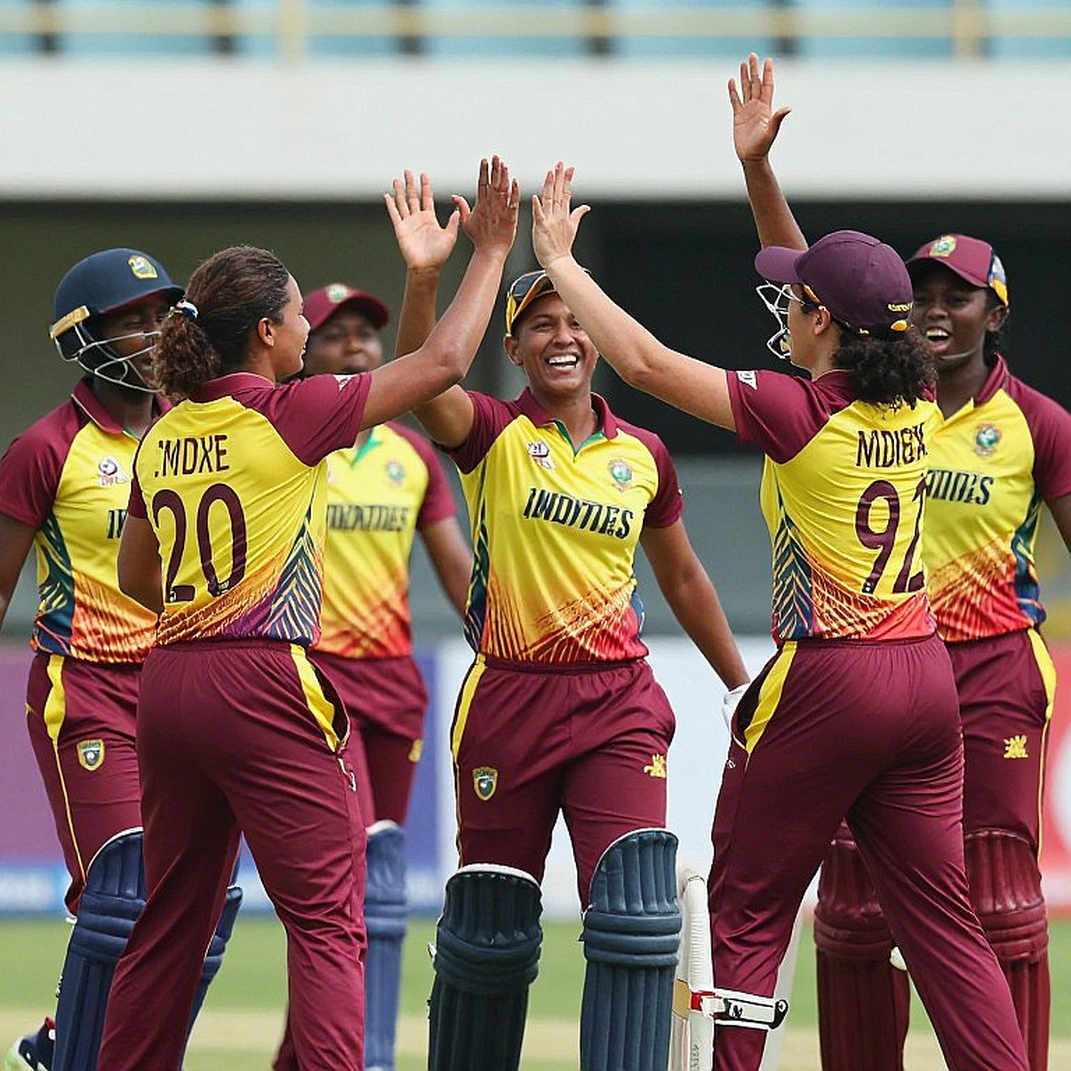
Six days earlier, on the same ground, he had been dismissed for a duck off eight balls: a full delivery leaving him outside off, a drive attempted with the feet stuck, and a catch to wicketkeeper Mitchell Hay. Same bowler both times — Fraser Sheat.
The scorecard reads 0 and 4. Two innings, 23 balls, four runs, a match strike rate of 17.4. The television desk will file that under "form crisis" and move on. I found the scorecard incomplete, because the two dismissals do not share a cause — and that difference is the whole story.
This was an "unofficial Test." Most A-tour fixtures of this kind carry first-class status, but they are not official Tests, and the data does not enter official Test records. Whatever happened here cannot be transferred to Test form or to white-ball evaluation. Holding that separation is the only way the conclusions stay inside their own evidence.
Read the shape of the match. New Zealand A made 317. India A were bowled out for 113 — a 204-run lead. The follow-on threshold is 150 in a four-day game and 200 in a five-day one, so 204 crosses it. Whether the follow-on was actually enforced is not stated in the report, and that detail rewrites how much pressure to attach to Rahul's second innings. If he was batting to save the match, four off fifteen is a choice about survival rather than an absence of scoring intent.
The environment matters just as much. Lincoln is New Zealand Cricket's high-performance centre, and late-October Canterbury usually offers residual grass, a fresh surface, seam movement and variable bounce. Cold, wind-exposed mornings bring conventional swing. I do not have the pitch report for this fixture — the inference comes from venue and calendar — but the direction is clear: pro-seamer, anti-new-batter. There is also no DRS at this level, which means the hit-wicket decision was final on the field; the replays were broadcast-only, not reviewable.
Now the first-innings frame. A delivery leaving him outside off, full in length, and the feet planted. Being dismissed is the event here; the repeatable technical signature is the story — hard hands, reaching for the ball, chasing it instead of playing late under the eyes. That keeper-catch dismissal is the single most common way subcontinental top-order batters fail in England and New Zealand, and it is a technique window rather than a weather problem — a window that closes in the first three overs of a morning, when a batter has to decide where his foot lives.
The second-innings frame is a different animal. Replays confirmed the ball was never going to hit the stumps. The wicket fell because the batter, trying to smother a slowly rolling ball with his bat, hit the off stump himself. A motor-control event under pressure, nothing more. The bowling did not create that wicket. Hit-wicket accounts for roughly one to two percent of dismissals in professional cricket. Treating it as proof of technical decline is like drawing a season's weather chart from a single raindrop.
Fourteen seconds in Rostov taught me more than ninety minutes of possession ever did, and the lesson was this: reading a whole innings off one frame is dangerous, and ignoring the innings because of the frame is worse. Both checks are needed here.
The thing that stings is not the runs — it is the intent to score them. Four off fifteen in the second innings, a strike rate of 17.4 against a red-ball top-order benchmark of 45 to 55. Four off fifteen after a first-innings duck is not caution; it is self-preservation mode — and in red-ball cricket a top-order batter who stops scoring becomes a standing target for a seam attack that knows it only has to keep hitting a length.

The second signal is the matchup. One bowler, Fraser Sheat, dismissed him twice in the same match. That stat travels with a note attached: right-arm seamer, full length, moving away outside off. Opposition analysts will now write exactly that plan, and domestic seamers will pass the notes around. Whether Rahul has a counter — leaving more, playing squarer of the wicket, batting out of his crease — remains untested.
Then the limit that must sit on every analysis of this: 23 balls. Two innings. The most seam-friendly conditions on the calendar, and one of those dismissals has a base rate under two percent. Declaring a technical decline from this sample is overreach; what can honestly be said is that a flag has been planted and needs watching.
This is where the story grows larger than Rahul. I froze the frame at the second eleven and watched the system collapse. India A being bowled out for 113 is the heaviest data point in this entire report — heavier than 0 and 4. A 204-run first-innings deficit means the A-side's batting unit could not compete in the exact conditions that constitute ordinary Test cricket in New Zealand.
None of this is a new crack. India's domestic structure produces batters who score on spin-friendly surfaces, and zonal selection rewards exactly those numbers. When that same batter arrives at a Canterbury pitch in October, the first-morning new ball becomes something he never had to prepare for in the Ranji Trophy. The A tour exists to close that gap — and at Lincoln the gap showed. The second XI is the hardest team in world sport, and it is a selection problem, not a talent problem.
Which makes the selection logic look inverted. Rahul has been sent to A-team cricket to find form, but early-spring New Zealand is the hardest possible venue for a batter whose footwork is not working. The preparation mechanism is amplifying the problem it was meant to solve — the largest design flaw of this tour.
Add the age lens. An experienced campaigner in his early thirties, where the correction window narrows. The calendar does not help: unofficial Tests on 31 October and 7 November, then reported senior Tests on 19 November at Wellington and 27 November at Christchurch. Those dates are reported, not officially confirmed, and should be treated as provisional — but if the sequence holds, he has two innings blocks to fix a footwork flaw.
Series length matters too. A two-match tour is short and high-variance: one bad session can decide it, and there is almost no opportunity to bat into form. Basin Reserve is wind-affected, Hagley Oval is a green seamer — New Zealand's structure is built on precisely the attack whose weakness showed up in India A's top order.
One more layer. If Rahul is also the designated wicketkeeper in the Test XI, part of his selection value is structural — team balance — which partially insulates him from a batting-only judgment. The report does not state whether he kept in this match.
And a word on the framing. Presenting "0 and 4" as two symptoms of one disease is analytically weak. One dismissal was a technical error; the other was a rare accident. Weighing them equally repeats the mistake we make daily — valuing outcome above process. I tried to caption India and learned that captions come from sequence, not from the scorecard.
What to watch next is specific. In the innings after 31 October: does he leave the ball outside off, does he stay on the crease rather than reaching, does he score at all. If the answer to all three is yes, the Lincoln frame was a bad day. If only the first two are yes, the problem is deeper.
The question is not that Rahul was out for four. The question is why he pushed his bat down on that fifteenth ball, when leaving it was the easier option.