
Brian Bennett to Lead Zimbabwe in Afghanistan Test Series After Richard Ngarava Injury
कोर उत्तर: ब्रायन बेनेट चोटिल रिचर्ड नगारवा की जगह अफगानिस्तान के खिलाफ यूएई में होने वाली दो टेस्ट मैचों की सीरीज़ में जिम्बाब्वे की कप्तानी करेंगे। जिम्बाब्वे ने 17 सदस्यीय टीम चुनी है; तनाका चिवांगा भी चोट के कारण बाहर हैं। मुख्य तथ्य: - जिम्बाब्वे ने दो टेस्ट मैचों के लिए 17 सदस्यीय टीम घोषित की। - ब्रायन बेनेट को कप्तान बनाया गया है; उनका स्थायी या कार्यवाहक दर्जा स्पष्ट नहीं है। - रिचर्ड नगारवा चोट के कारण उपलब्ध नहीं हैं। - तनाका चिवांगा भी चोट के कारण बाहर हैं। - जून में जिम्बाब्वे ने हरारे में बांग्लादेश को पारी और 85 रन से हराया था। स्रोत: International Cricket Council की टीम-घोषणा सामग्री; प्रकाशन तिथि उपलब्ध नहीं। स्वतंत्र पुष्टि और पूर्ण टीम सूची के लिए Zimbabwe Cricket की आधिकारिक घोषणा आवश्यक है। | Cross-checked: cricsultan.com डेटाबेस की पुष्टि उपलब्ध नहीं। संबंधित प्रश्नोत्तर: प्रश्न: क्या ब्रायन बेनेट स्थायी कप्तान हैं? उत्तर: उपलब्ध घोषणा केवल इस टेस्ट सीरीज़ में उनके कप्तान होने की पुष्टि करती है; स्थायी या कार्यवाहक दर्जा स्पष्ट नहीं है। प्रश्न: सीरीज़ के मैच कब और कहां खेले जाएंगे? उत्तर: सीरीज़ यूएई में होगी, लेकिन उपलब्ध सामग्री में मैचों की तारीखें और मैदान नहीं दिए गए हैं। प्रश्न: क्या अफगानिस्तान की टीम घोषित हो चुकी है? उत्तर: उपलब्ध सूचना में अफगानिस्तान की टीम, फॉर्म और आमने-सामने का रिकॉर्ड शामिल नहीं है।
The most important change before the two-Test series between Zimbabwe and Afghanistan has appeared in the captaincy column rather than on the scorecard. Zimbabwe have named a 17-member squad for the matches in the United Arab Emirates, with Brian Bennett set to lead the side. The change follows an injury to fast bowler Richard Ngarava. Fellow fast bowler Tanaka Chivanga has also been ruled out through injury.
This is not yet a complete series preview. It is a Zimbabwe team announcement published by the International Cricket Council. The Afghanistan squad, match dates, UAE venues and Bennett’s permanent or interim status are not clarified in the available information. The firm conclusion is narrower: Zimbabwe will begin the series with a changed leadership structure and an altered pace-bowling group.
Injury has changed the leadership line
The clearest chain in the announcement is Ngarava’s injury followed by Bennett’s appointment as captain. The material does not establish whether Bennett is only a stand-in for this series or has been given a longer-term role. It also does not explicitly state that Ngarava was Zimbabwe’s regular captain, although the wording strongly implies that he was expected to lead this group.
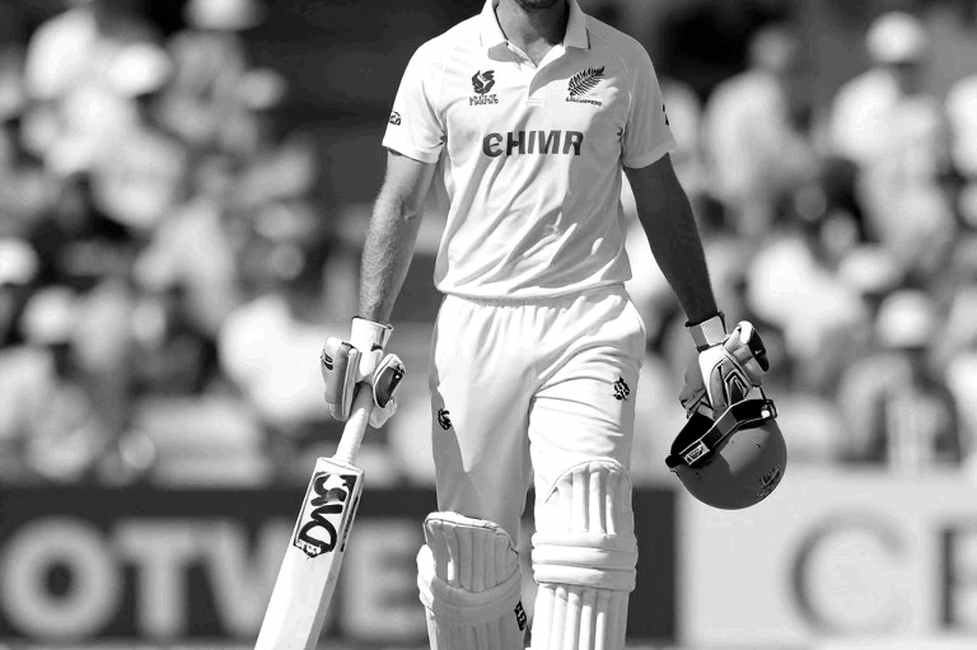
That distinction matters. A stand-in captain is usually asked to preserve the existing plan and stabilise a disrupted side. A permanent captain may influence selection, team structure and the next cycle of Test cricket. Treating the two roles as identical would add information that the announcement does not contain. The confirmed point is that Bennett will captain Zimbabwe in this Test series.
Ngarava’s absence may affect more than the leadership arrangement. The new-ball plan, reverse-swing options and workload distribution could all change. Chivanga’s unavailability increases that pressure. A 17-player squad still gives the selectors room to construct different bowling combinations, but the full squad has not been provided, so it is impossible to say how many specialist fast bowlers will travel to the UAE.
A 17-player squad with an incomplete picture
Zimbabwe have selected 17 players for the two Tests. The announcement also indicates that a substantial portion of the group from June has been retained. That is a continuity claim, but it cannot yet be tested numerically. The available material does not identify how many players have returned, how many are new, or how the injured players have been replaced.
This is where a press release differs from a team analysis. The number 17 establishes the size of the squad. It does not establish the likely XI. It is also unclear whether Chivanga was selected and subsequently withdrawn or became unavailable before the final squad was announced. If a replacement has already been named, the squad count needs to be reconciled with that update.
Based on my years of watching Test cricket, continuity in a squad is not the same as continuity in a match plan. A team may retain its top six batters while changing both new-ball bowlers. In that case, the batting structure is stable but the bowling strategy is not. The injuries to Ngarava and Chivanga make that distinction central here.

The spreadsheet is not the story, but it keeps the story honest. The confirmed data currently consists of four points: the series contains two Tests, the venue region is the UAE, the squad has 17 members and Bennett will captain. A complete tactical reading requires Zimbabwe Cricket’s full squad announcement, the schedule and the final replacement information.
What the June victory tells us
The announcement refers to Zimbabwe’s victory over Bangladesh at Harare Sports Club in June. Zimbabwe won by an innings and 85 runs, described as the country’s biggest Test victory. That is relevant background, but it should not be treated as a direct form guide for the Afghanistan series.
The earlier match was played in Harare; the upcoming series will be played in the UAE. Pitch behaviour, weather, familiarity with the ground and crowd conditions will differ. The opponent is also different. Linking the Bangladesh result to Zimbabwe’s likely performance against Afghanistan requires information about both current squads, spin resources, batting order and recent UAE records. None of those details appears in the announcement.
The year of the June victory is also not specified in the available material. Any future use of the result should be checked against the official scorecard and date. I do not chase the narrative; I reconcile it. A record win exists, but its meaning depends on venue, opponent and time frame.
Where is Afghanistan in the story?
The largest structural gap is the absence of information about the other side. Afghanistan’s squad, key players, recent Test results, head-to-head record and competitive context are not discussed. That makes the item a Zimbabwe team-news report rather than a complete series preview.
The available information also does not establish whether the series carries World Test Championship significance. That question matters because points pressure can change selection, workload management and risk tolerance. If the series is part of a developmental programme, the captaincy change may be assessed differently. No assumption should be made until the official schedule and competition status are confirmed.
Without Afghanistan’s context, it is also impossible to judge Zimbabwe’s strength. A 17-player squad is not strong or weak in isolation. Its value depends on Afghanistan’s spin attack, the UAE surfaces, the toss and Zimbabwe’s ability to sustain pressure over five days. None of those variables is currently documented.
Bennett’s actual examination
Bennett’s task will extend beyond leading the side at the toss. He will have to manage a pace attack altered by injury, including field settings, bowling spells and review decisions. In Test cricket, a poor session can reshape the match long after it has ended. The first spell with the new ball, the middle-session plan and the timing of the second new ball are all leadership decisions with long consequences.
If Bennett has already been part of Zimbabwe’s leadership group, the transition may be relatively smooth. If this is his first major captaincy assignment, the team management’s support will matter. There is no captain’s quote or selector’s explanation in the available announcement, so his leadership style, batting responsibility and freedom in decision-making cannot yet be assessed.
Moscow taught me to test the model against the noise. The same discipline applies here. June’s victory is a strong result, but one result cannot predict a neutral-venue series against a different opponent. The injuries are important, but their full effect can only be measured after the replacement list, venues and playing XIs are known.
The next verification points
The immediate priorities are Zimbabwe Cricket’s full squad announcement and the series schedule. The status of Bennett’s appointment, the nature of Ngarava’s injury, Chivanga’s replacement and Afghanistan’s squad should then be confirmed. Until those details appear, the announcement should not be treated as a complete team profile.
The decisive signal will be how Zimbabwe redistribute pace-bowling responsibilities after the injuries. If the side preserves a balance between new-ball threat and long spells, Bennett’s captaincy can be assessed within a clear tactical frame. If the selection moves towards a spin-heavy UAE plan, the Harare victory will carry even less predictive value. The news is currently about the captain; the series will acquire meaning through the final 17 names, the venues and the first ball.