
Morris' Return Is the Big Story, Not England's 92-Run Win
मुख्य उत्तर: लांस मॉरिस की 20 महीने बाद वापसी इस अभ्यास मैच की सबसे महत्वपूर्ण खबर है; उन्होंने 145 किमी/घंटा की रफ्तार से 10 ओवर में 3-29 लिए। इंग्लैंड की 92 रन की जीत आधिकारिक ODI नहीं थी और उसका परिणाम सीमित भविष्यवाणी मूल्य रखता है। मुख्य तथ्य: - वाका में इंग्लैंड ने 251 रन बनाए; पश्चिमी ऑस्ट्रेलिया 159 रन पर ऑलआउट हुआ। - मॉरिस ने 10 ओवर में 3-29 और आदिल राशिद ने 4-35 लिए। - इंग्लैंड 4-115 पर संकट में था; लियाम डॉसन ने नाबाद 44 रन बनाए। - पश्चिमी ऑस्ट्रेलिया 1-60 से 159 रन तक गिरा और नौ विकेट 99 रन में खोए। - मैच में 5,055 दर्शक आए; यह आधिकारिक ODI नहीं था। स्रोत: cricket.com.au, प्रकाशन तिथि उपलब्ध नहीं; उपलब्ध मैच विश्लेषण के आधार पर। संबंधित प्रश्न: प्रश्न: क्या मॉरिस के आंकड़े ODI रिकॉर्ड में जुड़ेंगे? उत्तर: नहीं, यह गैर-कैप्ड 50 ओवर का अभ्यास मैच था। प्रश्न: इंग्लैंड की सबसे बड़ी चिंता क्या रही? उत्तर: ऑस्ट्रेलिया की राष्ट्रीय टीम के बजाय राज्य आक्रमण के सामने शीर्ष क्रम का 4-115 तक सिमटना। प्रश्न: मॉरिस की वापसी का अगला परीक्षण क्या होगा? उत्तर: अगली उपस्थिति का अंतराल, रिकवरी और लगातार तेज गेंदबाजी का कार्यभार।
Hook: The body returning in the Perth wind
When Lance Morris removed Jamie Smith early at the WACA, the ground responded with noise. Beneath that noise sat a more important question: could his back once again carry the full burden of fast bowling? After 20 months away from Western Australia’s side, Morris completed 10 overs, reached 145 km/h and finished with 3-29. This was a 50-over tour match, not an official ODI. His figures must not be added to his international record. The most reliable piece of information from the match, however, was that his body completed a full bowling workload.
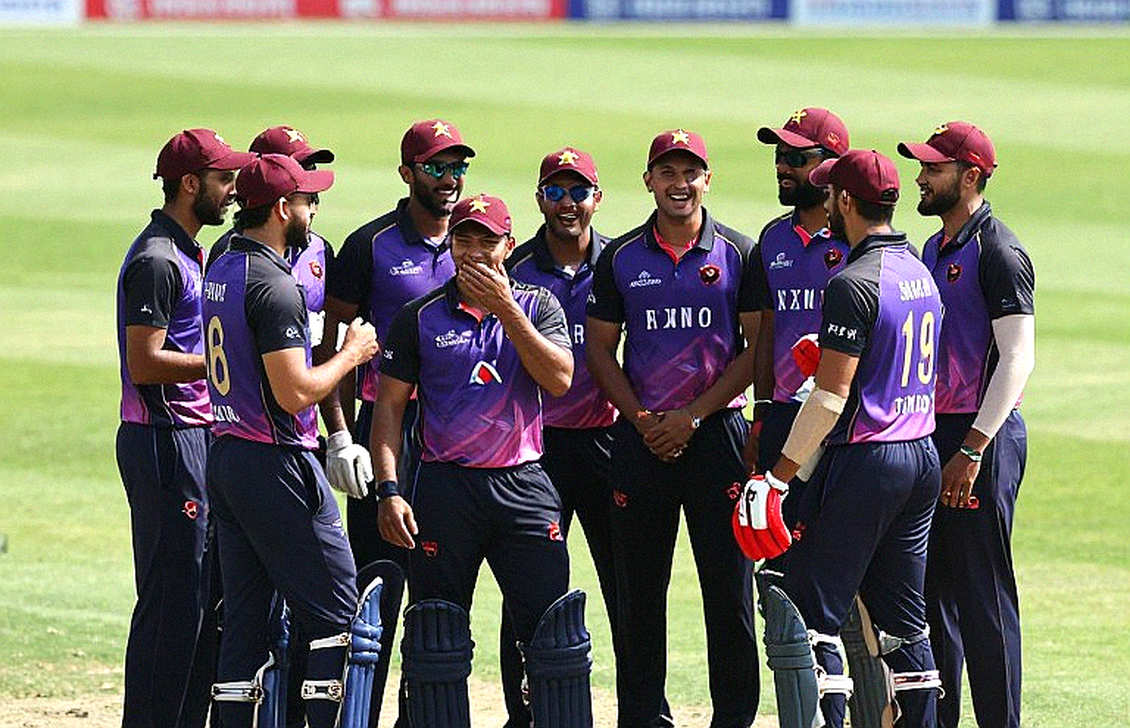
England beat Western Australia by 92 runs, yet the margin concealed the shape of the contest. England were bowled out for 251 in 48 overs; Western Australia folded for 159 in 32.3 overs. The margin was large. England’s control was less complete. The scoreline is the loudest part of the story, not the whole story.
Context: this was not Australia versus England
The classification matters. This was a 50-over warm-up played before England’s white-ball tour. Western Australia are a domestic state side, not Australia’s national team. No player gained an international cap, the figures do not enter official ODI records, and both teams had room to test combinations and workloads.
That makes it premature to read England’s win as a psychological advantage over Australia. The WACA was once famous for extreme pace and bounce, while most international cricket in Perth has moved to Optus Stadium. Morris, Brody Couch and Adil Rashid succeeding through different methods suggests a surface offering assistance, though not a surface governed by raw pace alone.
England fielded several players close to their intended ODI core: Ben Duckett, Joe Root, Harry Brook, Jofra Archer and Rashid. Western Australia’s batting, meanwhile, was not a reliable substitute for Australia’s first-choice attack. England’s bowling performance was encouraging, but its predictive value remained limited.
Core analysis: two collapse windows decided the match
England’s crucial passage came at 4-115. Duckett made 59 from 66 balls, but the top order could not sustain its tempo. Brook scored 27 from 19 balls at more than 142, then edged Couch to the keeper. That dismissal revived a technical question England will face in Australia: can the hands remain close to the body when a fast ball travels outside off stump?
Morris also forced Root into a hurried pull. That should not be reduced to an ordinary error. When a delivery feels faster than its speed-gun reading and its bounce remains deceptive until late, even an experienced batter can lose balance. This was more valuable than the number 145 itself. Speed becomes an international signal only when it reduces a batter’s decision time.
England needed the lower order to repair the innings. Liam Dawson made an unbeaten 44 and Will Jacks added 34, taking the total beyond 250. Dawson’s strike rate was roughly 81 from 54 balls. In a warm-up, that may have been a deliberate instruction: stay in, rebuild and finish the innings. Even so, when a No. 7 is repairing the innings, the top six have not fully delivered.
Western Australia began positively, reaching 60 for one after 12 overs. Then nine wickets fell for 99 runs. The collapse reflected both the home side’s limited batting depth and England’s varied attack. Archer took 3-34, Jamie Overton 2-33 and Rashid 4-35. Pace, seam and leg-spin all contributed.
Rashid’s performance carried the greatest tactical importance. England’s middle-over route to wickets on Australian surfaces still appears to run through leg-spin. That is an asset and a dependency. Rashid is deep into the veteran phase of his career, so England’s plan will depend on his workload, recovery and availability. If he is absent, England lose a strategy, not merely a player.
For Morris, the 10 overs mattered more than the three wickets. A 20-month gap after a serious back injury is a long absence for any fast bowler. The first test after rehabilitation is not wicket-taking; it is whether the body can absorb the load. Morris passed one demanding test. He has not yet proved international readiness.
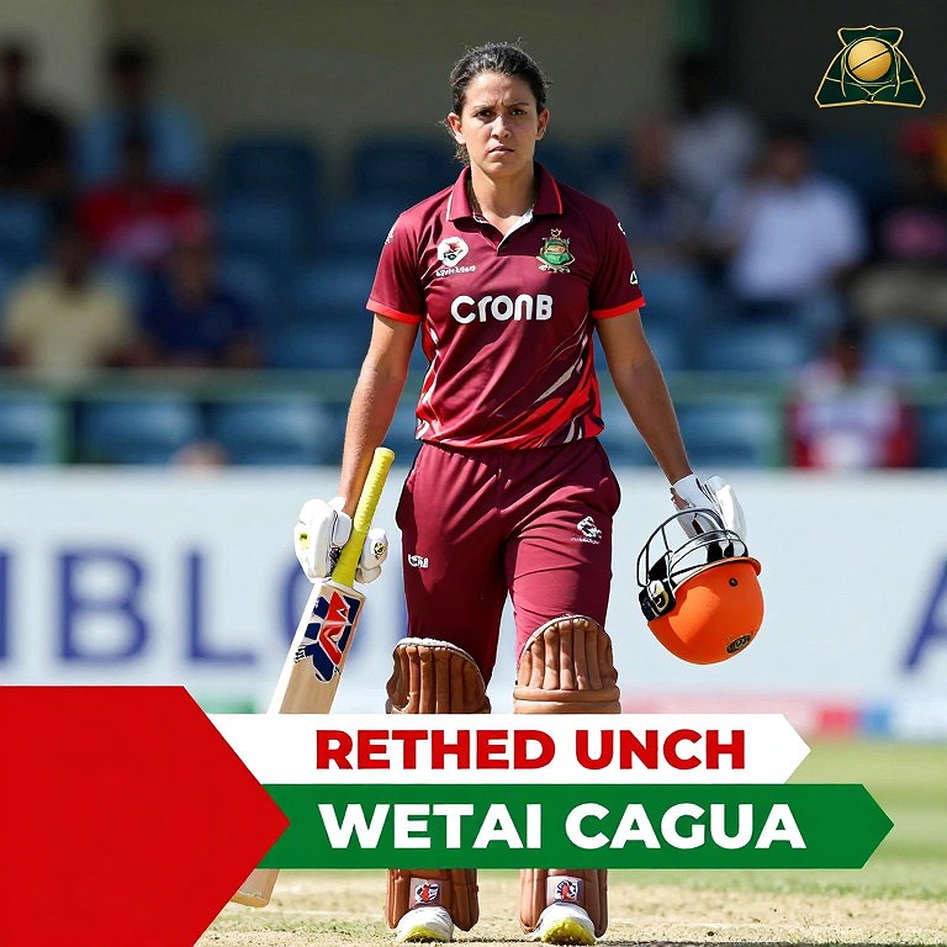
Based on my years of watching fast bowlers return, the first strong spell usually reassures the audience before it proves the bowler. The more useful evidence will be the interval before his next appearance, his recovery and the quality of a second spell. The next four to eight weeks will tell us more. If Morris bowls eight or more overs within five days, caution should sit beside the excitement.
The batting weakness hidden beneath England’s win
It is easy to conclude that England are fully prepared after a 92-run victory. Their bowling looked close to series standard. Archer’s pace, Overton’s seam work and Rashid’s wrist-spin formed a balanced attack. The batting, however, had already reached 4-115 against a state attack rather than Australia’s first-choice unit.
Couch’s 4-47 was the least discussed performance. He matched England’s international bowlers on the same surface. Mahli Beardman conceded 53 without a wicket, while discussion continued about his possible ODI debut. That is a selection signal, not a performance certificate. Australia often evaluates projected upside separately from present output; Beardman’s case appears to fit that approach.
Duckett and Brook offered contrasting tempos. Duckett tried to shape the innings; Brook supplied acceleration. The problem was that neither role lasted long enough. When both the anchor and the aggressor depart early, the lower order must play beyond its planned function. England must decide who will build the top three and who will absorb and reverse the initial pressure.
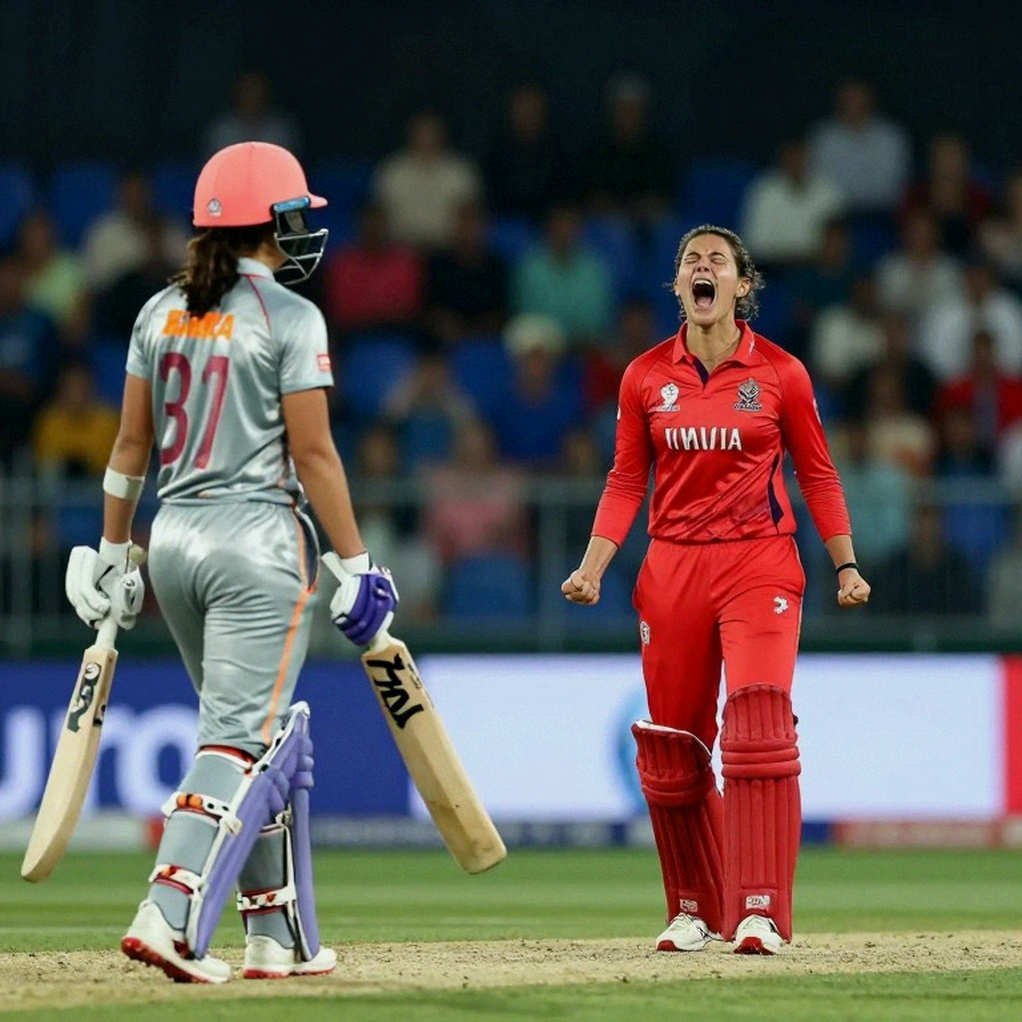
Workload and travel belong in the same picture. England’s white-ball programme crosses cities and formats. Playing Archer, Overton and Rashid repeatedly may look attractive, but it would carry obvious risk. A full warm-up quota can be a fitness examination before selection. Reading only the wickets misses that signal.
Contrarian angle: the 92-run margin misleads both teams
Collective memory may preserve this match as England’s emphatic win and Morris’s defeat. Both readings are incomplete. England’s margin was largely created when Western Australia collapsed from 60 for one to 159. That was not a representative collapse by Australia’s national batting order. Likewise, Morris’s 3-29 cannot be treated as proof of international readiness.
Couch’s 4-47 deserves more attention. A state seamer troubled England’s top order on the same pitch where England’s international attack dismantled Western Australia. That contrast tells us about the level of the contest. England’s bowling looked strong partly because the opposition could not sustain its challenge.
The attendance also grounds the story. A crowd of 5,055 at a venue with a capacity near 20,000 confirms the modest commercial value of a warm-up. The meaningful broadcast and gate value will come from the official ODI and T20I fixtures, not this preparation game.
I went back to the tape to hear what the crowd remembered in matches like these, and the lesson has remained consistent: warm-ups often expose the questions that official fixtures later amplify. Morris answered a question about physical tolerance. England’s top order reopened older doubts. Western Australia displayed the depth of Australia’s domestic pace pathway, not the strength of the national side.
Takeaway: the next spell is the real headline
Morris’s return should be treated as a signal worth tracking, not a completed redemption story. The 145 km/h pace and full 10-over workload are encouraging; sustained availability will determine selection. England’s bowling looks series-ready, while its batting must answer the 4-115 passage.
At the next official ODI, two questions will stand beyond the scoreboard: can Morris recover and repeat the intensity, and can England’s top order survive Australia’s first-choice attack beyond 115? I will listen for the recovery interval before counting the wickets, and watch the shape of the partnerships before judging the result. Every stadium keeps a second script that the next match writes.