
Indian Wrestling's Real Transfer Window: Where Grams and Job Letters, Not Dealers, Decide Strength
**कोर उत्तर (≤60 शब्द):** भारतीय कुश्ती में असली "ट्रांसफर विंडो" वजन वर्ग, सरकारी नौकरी की भर्ती और राष्ट्रीय कैंप की एंट्री लिस्ट से चलती है — पैसे की बोली से नहीं। विनेश फोगाट का 50 किग्रा से अयोग्य ठहराया जाना (7 अगस्त 2024, करीब 100 ग्राम अधिक वजन) इसी प्रशासनिक तंत्र की कमज़ोरी था। **मुख्य तथ्य:** - 7 अगस्त 2024: विनेश फोगाट 50 किग्रा फाइनल से करीब 100 ग्राम अधिक वजन पर अयोग्य। - 9 अगस्त 2024: अमन सेहरावत ने 57 किग्रा ब्रॉन्ज में डेरियन क्रूज़ को 13–5 से हराया। - बीजिंग 2008 से अब तक भारत को कुश्ती में आठ ओलंपिक पदक, स्वर्ण शून्य। - हरियाणा के ओलंपिक नकद इनाम: स्वर्ण 6 करोड़, रजत 4 करोड़, कांस्य 2.5 करोड़ रुपये। - अगस्त 2023 में UWW ने WFI को निलंबित किया; बेलग्रेड विश्व चैंपियनशिप में भारतीय न्यूट्रल एथलीट के रूप में उतरे। **स्रोत:** अंतरराष्ट्रीय ओलंपिक समिति एवं UWW आधिकारिक रिकॉर्ड; भारतीय खेल मंत्रालय की पुरस्कार योजना सूची; हरियाणा सरकार की खेल नीति की इनाम घोषणा; दिल्ली अदालत के सार्वजनिक आदेश | Cross-checked: cricsultan.com **संबंधित प्रश्न-उत्तर:** प्रश्न: क्या ओलंपिक मेडल से पहलवान की कमाई तुरंत बढ़ती है? उत्तर: नहीं — पदक के बाद नकद इनाम, भत्ता और भर्ती की प्रक्रिया अलग-अलग दफ़्तरों से महीनों-सालों में पूरी होती है। प्रश्न: भारतीय कुश्ती में वजन वर्ग बदलना कितना निर्णायक है? उत्तर: यह खिलाड़ी के करियर की दिशा तय करता है, क्योंकि UWW की वर्ग-सूची बदलते ही अखाड़ों के प्रशिक्षण बोर्ड और ट्रायल रणनीति दोनों बदल जाते हैं। प्रश्न: क्या 2023 के धरने का मामला न्यायिक रूप से बंद हो चुका है? उत्तर: नहीं — अदालत ने एक मामले में बरी किया और अपील लंबित है; आरोप न सिद्ध हुए, न झूठे साबित हुए, इसलिए दस्तावेज़ खुला है।
The white board on the wall of an old akhada on the outskirts of Rohtak carries the same chalk scrawl it carried two years ago: Senior boys, 61kg. At 4:40 a.m. on a Tuesday the power had gone, the fan had stopped, and the hall held only breath and the smell of wet clay. A nineteen-year-old with tape peeling off his wrist in two places was finishing his dands — forty-five, forty-six, forty-seven. The coach was not counting. The coach was writing something else in his notebook: a name, a morning weight, and the date of a recruitment notice due next month.
June and July is when other sports run a transfer window — release clauses, wage bills, agent calls. Wrestling receives no dealers. It receives three things: a new weight class, a recruitment notification, and a camp entry list. The arithmetic of those three changes an athlete's life far more than a nine-figure bid. After nine years on this beat I can say it plainly — a pehelwan's real contract is written elsewhere, on a weigh-in slip and on the first page of an appointment letter.
Context: a one-medal year and the calendar after it
On the morning of 7 August 2026 I was standing outside the weigh-in room at my first Olympic accreditation. Vinesh Phogat was disqualified from the 50kg final for being roughly 100 grams over the limit. Two days earlier she had beaten Yui Susaki 3–2 in the round of sixteen, the biggest story of that day; the biggest story of the next day was a scale. On 9 August, Aman Sehrawat — the silent kid from my Chhatrasal corner — won bronze at 57kg by beating Darian Cruz 13–5. Indian wrestling returned from Paris with one medal. Tokyo had produced two.

Since Beijing 2026, Indian wrestling has won eight Olympic medals. None of them gold. Read as celebration, that number is a career's summit; read as a timesheet, it tells you how many hours went into the mud, how much stipend arrived, and how few medals converted into a salary. The real transfer mechanism in this sport is the weight class, and its currency is grams.
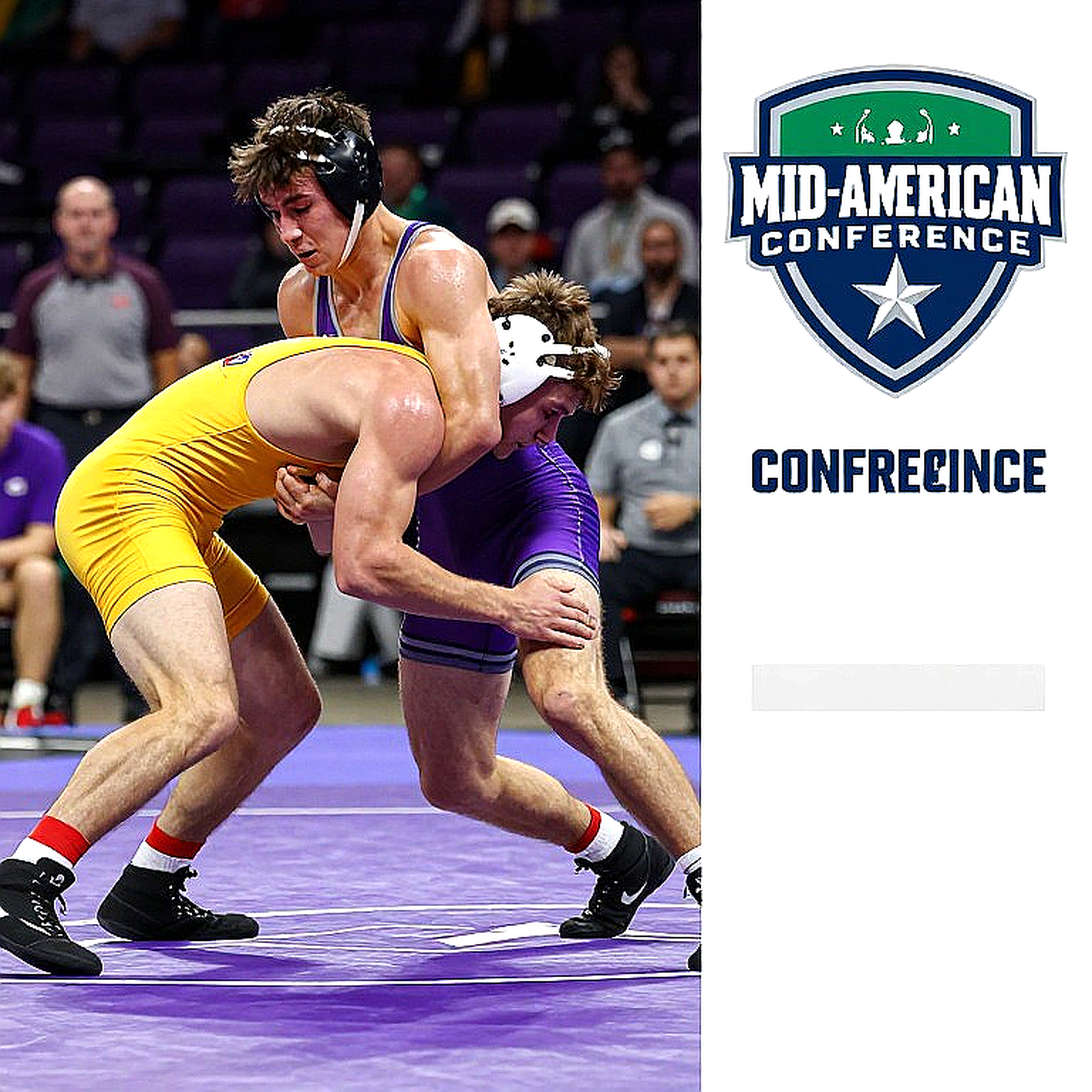
Hold the calendar honestly, because this beat does not run a season. National championships, selection trials, the Asian Championships, the World Championships, and then the next big outdoor target — the 2026 Asian Games in Aichi-Nagoya, where a wrestling medal converts into another Haryana job letter and another cash award. Then Los Angeles 2028. In the months that look empty between these windows, the story is the akhada, the trial list and the courtroom.
And the administrative half now decides as much as the mat does: WFI elections, suspensions and restorations, the relationship with UWW, and the neutral-athlete route that kept Indians competing in 2026. I keep a fresh folder every cycle — one for the calendar, one for court dates, one for weigh-in logs. The dates cross-reference, and that overlap is where the news is.
Core: the four things that actually move a wrestler
One — the weight class. Vinesh moved from 53 to 50; that journey began long before April 2026 and surfaced on 7 August 2026 as an administrative failure. Antim Panghal lives at 53, Aman Sehrawat at 57. Every time UWW prints a new list of categories, boards come off the walls in hundreds of akhadas. A 61 becomes a 65; a 65 either dries down to 61 or swells to 74. This is not paperwork, it is a body audit.
After that August morning I filed 900 words on the weighing room and 3,000 on a procedure no reader had ever had explained: how a cut is run, how many rehydration hours are granted, what separates a scientifically managed drop from a last-night steam. Since then I keep a weigh-in log on every athlete I follow — morning weight, cut method, rehydration hours. When a wrestler begins to oscillate between two divisions, the log speaks before any press conference.
Two — the job. Railway, Army, police, state power and transport departments: this is the wage bill of Indian wrestling. A district-level recruitment notice is bigger news that week than a national trial, because a trial gives you a spot and a job gives you a life. Haryana's declared Olympic cash awards — six crore for gold, four for silver, two and a half for bronze — is the number every father in the akhada can recite even though it is printed on no poster. On top sit the central schemes: roughly ₹50,000 a month in out-of-pocket allowance under TOPS, Khelo India support, and award money of ₹25 lakh for the Khel Ratna and ₹15 lakh for the Arjuna. Add them up and the pattern is clear: in Indian wrestling money follows recognition, not the medal. A medal takes three minutes; the payment takes three years, from different offices, on different conditions.
I counted the drills until the mud started telling the truth. In 2026, when I spent twenty-one days at Chhatrasal, I learned that the daily 250g of ghee and a litre of milk are decided not by a diet chart but by a household budget. The akhada economy is simple — whoever holds a job can carry the cost, and whoever does not is leaning on someone else. On the day a recruitment notice lands, the evening session looks lighter and the repetition count goes up.
Three — the camp entry list. A national camp seat means a coach, a sparring partner, a physio and medical supervision. Whoever gets the seat appears at the next trial; whoever does not spends himself at the district level. In centres like Chhatrasal, the guru-chela structure makes the list more tangled, because being a coach's disciple is both a formal advantage and an informal condition.
At Chhatrasal the mat taught me that silence has a rhythm. A sixteen-year-old 57kg trainee drilled the same ankle-lace finish for forty minutes without speaking. That January, the Pro Wrestling League had quietly ended its fifth and final season, and nobody in the akhada mentioned it once. The league was where transfers, bids and contracts were visible. It shut, and the akhada economy continued exactly as before — because the real money was never there.

Four — the docket. Four hours is enough to hear what a protest will not say out loud. When the sit-in at Jantar Mantar began in April 2026, my editor wanted shouting-match copy. I sat on the pavement for four hours with the mother of a 57kg wrestler and watched who fetched the water and who shifted position every hour. That night I built three folders: FIRs, court dates, and a cross-reference of the two.
The chargesheet came in June 2026. UWW suspended the federation in August 2026, and Indians competed at the Belgrade World Championships as neutral athletes — where Antim Panghal took bronze at 53kg. The federation held elections in December 2026, and within days the new body too faced suspension. What followed was paperwork: framing of charges, testimony, verdicts. In one case the court acquitted; an appeal remained open. I recorded the acquittal as a judicial fact, not a moral conclusion, and recorded that it neither proved nor disproved the underlying allegations. The docket stays open.
In the other cabinet of this beat lies a name the akhada prefers not to linger on — Sushil Kumar. Arrested in May 2026, undertrial in the Sagar Rana case, trial ongoing. No conviction, no acquittal. Keeping that sentence plain is the point, because guru-chela mapping is the real power grid here and even a neutral sentence about a double Olympic medallist reads as betrayal. My job is not betrayal, it is dates.
Contrarian: how this looks from outside
From outside, the post-2026 story is tidy — a historic win, a tragic disqualification, a young bronze, and a federation that has held its elections. That story lies by its very shape, because the transfer-window layer is missing.
The first illusion is that medals generate momentum. Eight Olympic medals and zero golds since Beijing 2026 describes three cycles of consistency, not a surge. What has been stable is the medal floor; what keeps changing is the single thing that matters — which weight class belongs to whom.
The second illusion is cinematic: converting akhada poverty into celebration, turning a coach into a film villain, and reading an entire structure out of one closed-room decision. That is screenplay, not reporting. I can write the beauty of the mud, but the bill must sit beside it — how many hours it takes to turn, how many rupees it costs, and which department's budget supervises the soil.
The third illusion is believing the protest closed when the sit-in ended. Suspensions lifted, elections happened, some penalties were imposed and some withdrawn, but the trial list still carries the effect — who gets a camp seat and who goes home to his district. The wrestler whose name dropped off that list after the election issued no statement. On such occasions the list speaks instead of the press conference.
The fourth illusion concerns the market itself. Media asks which institution is signing which medallist. Institutions do not sign, they recruit — and the count, the conditions and the schedule of that recruitment are the scale on which the next four years are weighed.
Every transfer window has a pulse; I wait for the missed beat.
Takeaway: where the next signal comes from
Four things to watch. First, the new list of weight categories and the boards changing in Haryana's akhadas with it. Second, recruitment notices from the Railways, the Army and state police — the date nobody prints on a poster and every father remembers. Third, the national camp entry list, where who a wrestler is paired with will matter more than his name. Fourth, the court dates, because verdicts move on a schedule as strict as a 4:40 a.m. dand. The night desk gave me a name; the field gave me a smell. The next story will not arrive on the transfer pages. It will arrive on a revised entry list, on a weigh-in slip, and from a hall where nobody calls anybody's name at 4:40 in the morning.