
India’s Double Opening in Ahmedabad: Recovery and Squad Depth Will Shape the Commonwealth Kabaddi Championship
कोर उत्तर: भारत 23 अक्टूबर 2026 को अहमदाबाद में पहली कॉमनवेल्थ कबड्डी चैंपियनशिप में महिला वर्ग में मलेशिया और पुरुष वर्ग में इंग्लैंड के खिलाफ अभियान शुरू करेगा। मुख्य तथ्य: - प्रतियोगिता 23 से 31 अक्टूबर 2026 तक वीर सावरकर स्पोर्ट्स कॉम्प्लेक्स, अहमदाबाद में होगी। - 13 देशों की 23 टीमें 62 मैच खेलेंगी; पुरुष वर्ग में 39 और महिला वर्ग में 23 मुकाबले होंगे। - भारत की महिला टीम का नेतृत्व निधि शर्मा और पुरुष टीम का नेतृत्व सुरजीत सिंह करेंगे। - पुरुष भारत के ग्रुप ए में नाइजीरिया, मलेशिया, युगांडा, इंग्लैंड, तंजानिया और श्रीलंका हैं। - दोनों वर्गों के सेमीफाइनल 30 अक्टूबर और फाइनल 31 अक्टूबर 2026 को होंगे। स्रोत: उपलब्ध विश्लेषण सामग्री, प्रकाशित 22 अक्टूबर 2026; आयोजनकर्ता Amateur Kabaddi Federation of India, International Kabaddi Federation की स्वीकृति के साथ। संबंधित प्रश्न: प्रश्न: भारत की महिला टीम का पहला मुकाबला किससे है? उत्तर: भारत की महिला टीम 23 अक्टूबर 2026 को शाम 6:45 बजे मलेशिया से खेलेगी। प्रश्न: भारत की पुरुष टीम का पहला मुकाबला किससे है? उत्तर: भारत की पुरुष टीम 23 अक्टूबर 2026 को रात 8:30 बजे इंग्लैंड से खेलेगी। प्रश्न: सेमीफाइनल के लिए कितनी टीमें क्वालीफाई करेंगी? उत्तर: प्रत्येक समूह की शीर्ष दो टीमें 30 अक्टूबर 2026 के सेमीफाइनल में पहुंचेंगी।
India will begin the inaugural Commonwealth Kabaddi Championship with two matches at the Veer Savarkar Sports Complex in Ahmedabad on Friday, October 23, 2026. The women’s team, led by Nidhi Sharma, will face Malaysia at 6:45 PM, followed by the men’s match against England at 8:30 PM under captain Surjeet Singh.
The opening day will also feature Kenya against Singapore in a men’s Group B match at 11:00 AM. The nine-day tournament, scheduled from October 23 to October 31, will bring together 23 teams from 13 nations for 62 matches—39 in the men’s competition and 23 in the women’s competition.
The first detail I marked in my notebook was not Malaysia or England. It was the clock. India’s two teams will appear on the same opening day, and the men’s side will begin its campaign shortly after the women’s match. That makes the opening less a ceremony than an early test of planning, recovery and role distribution.
The tournament structure
The Amateur Kabaddi Federation of India is organising the championship with approval from the International Kabaddi Federation. Ahmedabad’s hosting role also comes as the city prepares for the 2030 Commonwealth Games, giving the competition an institutional significance beyond its inaugural title.
The men’s field has 13 teams divided into two groups. India is in Group A with Nigeria, Malaysia, Uganda, England, Tanzania and Sri Lanka. Group B contains Bangladesh, Kenya, Canada, Australia, Scotland and Singapore.
India’s men will play England on October 23, Uganda on October 24, Malaysia on October 25, Nigeria on October 26, Tanzania on October 27 and Sri Lanka on October 29. The six-match schedule places a clear physical and tactical demand on the squad. Four of those matches arrive between October 24 and October 27.
The women’s competition has 10 teams in two groups of five. India shares Group A with Singapore, Nigeria, Uganda and Malaysia. Group B comprises Bangladesh, Kenya, England, Scotland and Sri Lanka. India’s women will play Malaysia on October 23, Singapore on October 24, Uganda on October 25 and Nigeria on October 26.
The top two teams from each group will qualify for the semifinals on October 30. Both finals are scheduled for October 31. October 28, therefore, becomes more than a rest day. It will be the day for injury assessments, video review and semifinal selection.
Based on my years of watching matches from training halls and team buses, the scoreboard rarely explains a compressed tournament by itself. During my 24-day embed with Patna Pirates in 2026, I learned that taping, meals, travel and recovery routines often reveal the competitive condition of a team before the decisive raid does.
India’s men: the value of defined roles
India’s 14-member men’s squad includes vice-captain Naveen Kumar, Sachin Tanwar, Pankaj Mohite, Bharat Hooda, Shubham Shinde and Parvesh Bhainswal. Surjeet Singh will lead the team.
The first question against England will not be the margin of victory. It will be whether India has clearly defined its roles. Who takes the opening raids? Who reduces risk after a bonus attempt? How quickly do the cover defenders close the space after a corner challenge? If India establishes an early lead, will the bench receive controlled opportunities?
A 14-player squad is a tactical resource, not merely a list of names. India has six group matches, including four in a demanding stretch from October 24 to October 27. Heavy use of a principal raider against Malaysia on October 25 may affect the next day’s match against Nigeria. Every successful tackle has a recovery cost when matches arrive in sequence.
My match notes normally contain three entries: the outcome of the first raid, the first defensive contact and the next raid after a timeout. Those moments show whether a team’s structure survives its first period of discomfort. India’s match against England will provide the opening reference point. Uganda and Malaysia will then show whether India can modify its plan rather than repeat it.
The seven-team Group A also creates one additional group match compared with Group B. That difference affects preparation, recovery and the calculations around the final group table. In a close qualification race, empty raids, late defensive errors and unnecessary risks can influence the semifinal picture.
I went back through the 2026 Jakarta semifinal minute by minute, ledger open. India’s 18-27 defeat to Iran was easier to describe as a bad day than to examine as a combination of selection, preparation and defensive-matchup issues. That review remains relevant because reputations never replace technical preparation. India’s opponents in Ahmedabad must be studied through their opening raids and tackles, not through their public profiles.
India’s women: four consecutive tests
Nidhi Sharma will captain the women’s team, with Ritu as vice-captain. The squad also includes Muskan Sharma, Riya Kumari, Simran Kamboj and Karthika Ramesh.
India’s women have four group matches in four days from October 23 to October 26. The schedule is shorter than the men’s programme, but each match carries greater immediate weight because there are fewer opportunities to recover from a poor start.
The opening match against Malaysia should be assessed through more than its result. I will watch whether India’s raiders move the Malaysian defence sufficiently before committing, whether the cover defender fills the space after a corner’s failed attempt and whether the team accepts a controlled empty raid when the situation demands it.
The match against Singapore on October 24 will show whether India can make a quick tactical adjustment. A successful pattern against Malaysia may become predictable if it is repeated without variation. The Uganda match on October 25 will test defensive communication, while the Nigeria match on October 26 may become a calculation game involving qualification position, point difference and player management.
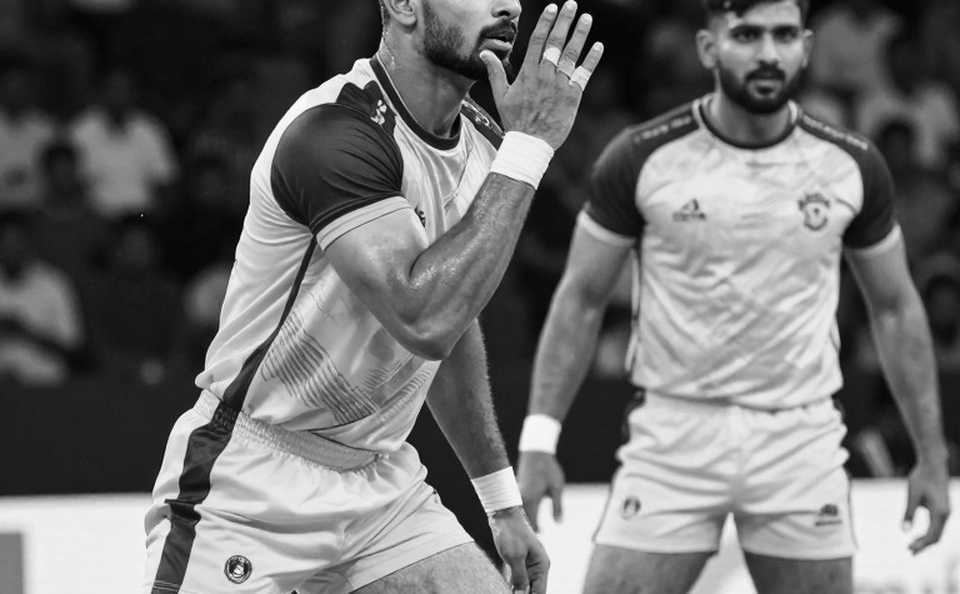
Women’s kabaddi is often discussed through medals and representation. This tournament offers a more measurable question: can a national team change its roles from one opponent to the next without losing its collective rhythm? A strong first seven is useful, but the ability to preserve structure when a substitute enters may tell us more about India’s tournament readiness.
The new information may come from the bench
The most useful information from Ahmedabad may not be India’s opening victories. It may be the amount and quality of bench use. If the same seven players carry every match, the group-stage results will reveal little about India’s depth. If the coaching staff introduces alternatives in controlled situations and the defensive and raiding structure remains intact, India’s actual semifinal capacity will be clearer.
Substitution changes more than personnel. It can alter the raiding order, the distance between corner and cover, the defensive balance on one side and the first decision after a timeout. A replacement has done his job only when individual contribution and team rhythm survive together.
In 2026, while digitising six years of notebooks into a 2026-2026 database, I found that the interval between matches could shape performance as strongly as the opponent. I still cross-check video observations with coaches and physiotherapists before treating them as a conclusion. Ahmedabad will require the same discipline. Recovery, role changes and physical condition must accompany the statistics.
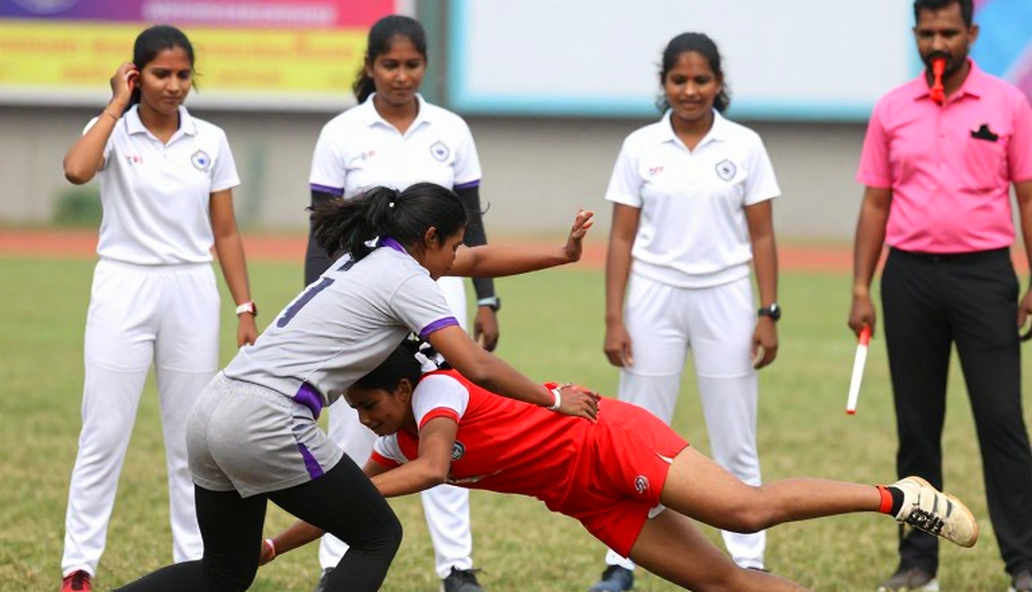
The men’s sequence is especially demanding. The England match ends late on October 23, followed by Uganda on October 24 and Malaysia on October 25. Nigeria arrives on October 26. The coaching staff may have to reduce training load and prioritise treatment, review and tactical clarity. The women’s four-day sequence creates a similar test in a shorter window.
Ahmedabad’s institutional test
The championship will also be judged as an event. A tournament involving 23 teams from 13 nations requires consistent match administration, medical support, transparent results, suitable practice access and clear qualification rules. The difference between a seven-team men’s group and a six-team group makes tie-break procedures particularly important.
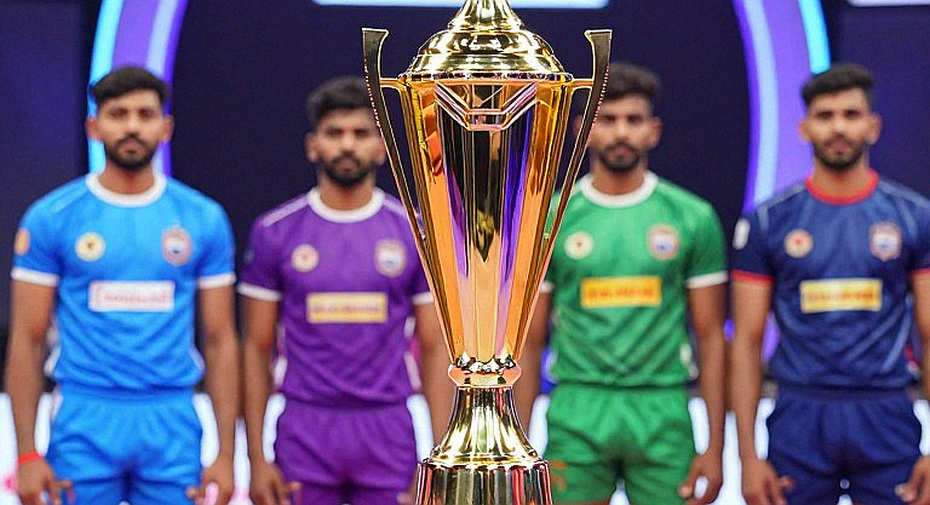
The Commonwealth label does not automatically ensure competitive balance. It is the organisation of the competition that will determine whether teams and spectators understand how points, point difference and semifinal qualification are settled. Kabaddi will always contain disputed calls, but the review process and rulebook must not become the dominant story.
Home support will create another tactical factor. An Ahmedabad crowd can increase India’s energy after a successful raid and increase the urgency after a failed tackle. The captain and coaching staff must use that atmosphere without allowing it to dictate the next decision. A 5-1 lead remains fragile if the defence concedes a bonus and a touch in the next two raids.
The financial and employment structure of the sport also sits behind this event. A major national-team tournament cannot by itself solve the difference between the men’s professional ecosystem and the limited regular franchise opportunities available to women. It can, however, show whether international preparation is being built as a continuing programme rather than a one-week gathering.
The external reading may be too simple
From outside, India’s opening group opponents may appear manageable. That assumption creates the danger. Less familiar opposition can lead to weaker video preparation. India will have to respond to England, Uganda, Malaysia, Nigeria, Tanzania and Sri Lanka according to their first ten raids and first ten defensive contacts, not according to reputation.
A three-peat is built on Tuesdays nobody photographs. A tournament title is also built in recovery sessions, in the decision to accept an empty raid, in the distance between a corner and a cover and in the captain’s next signal after a failed tackle. Ahmedabad will test whether India can convert expectation into procedure.
On October 23, I will record three things alongside the score: how much India trusts its bench, how quickly it reacts to an opponent’s adjustment and how well it makes decisions in the final five minutes. If those entries are strong, a possible October 31 final will be the consequence of a functioning system rather than a solitary proof of it.
The opening matches against Malaysia and England will begin India’s campaign. The more important question will emerge over the following days: can India remain structurally sound across a crowded group stage and two knockout rounds, while still giving its squad depth a meaningful test?