
The Shifting Landscape of Asian Cricket: A Multi-Dimensional Analysis of Format, Players, Leagues and Governance
एशियाई क्रिकेट पर यह विश्लेषणात्मक रिपोर्ट आठ आयामों — प्रारूप, खिलाड़ी आँकड़े, टीम रैंकिंग, लीग व वाणिज्यिक पारिस्थितिकी, शासन, जोखिम, जन-कथा और उद्योग संचरण — में खबर को तोड़कर देखने का ढाँचा पेश करती है। मुख्य संदेश: बिना प्रारूप की पहचान, प्रामाणिक स्रोत, तारीख और आँकड़ों की क्रॉस-चेकिंग के कोई भी क्रिकेट निष्कर्ष अधूरा है; स्रोत की अनुपलब्धता को कुप्रबंधन या भ्रष्टाचार का प्रमाण न मानें।
Asian cricket has arrived at a point where on-field performance, the pace of franchise leagues and the reach of administrative decisions are deeply intertwined. The steady expansion of T20 leagues has filled the international calendar, broadcast rights values keep climbing with each cycle, and the debate over player workload intensifies every season. In such an environment, no cricket story can be assessed by reading a scorecard alone. It must be broken down across eight dimensions: format and match, player technique and data, team landscape and rankings, league and commercial ecosystem, rules and governance, the risk side, public narrative and expectations, and finally industry transmission. This analytical report sets out a framework built on those dimensions while making clear where hard evidence exists and where speculation would violate basic journalistic principles.
1. Format identification: the first condition of any analysis
Test cricket rewards patience and process, ODI cricket rewards balance and phased acceleration, and T20 rewards the urgency of every ball. Without establishing the format, any assessment of batting tempo, bowling strategy or match progression remains incomplete. Venue matters too — the slow, turning subcontinental surfaces differ strategically, not just technically, from the flat, quick Gulf wickets. Dew in the second innings, humidity, monsoon cycles, and the role of the Duckworth-Lewis-Stern method all influence outcomes. Mixing conclusions across formats, over-extrapolating from a single match, ignoring home-ground bias, or stripping out luck factors such as the toss are the most common analytical errors in cricket writing.
2. Player evaluation: no conclusion without data
A player's effectiveness is measured through format-specific numbers. A batting average of 45 is excellent in Tests, while a T20 average of 30 matters only alongside a strike rate above 140. For bowlers, a Test average under 25 signals top tier, an ODI economy near five and a T20 economy under eight are effective. These figures acquire meaning only when split by home and away, pace and spin, powerplay and death overs. Age curves, injury history and workload must also enter the assessment. Calling a young player the next superstar after one innings, or writing off a senior after two failures, is speculation rather than fact.
3. Team landscape: beyond the rankings
ICC rankings are a long-term average, not a complete picture. Real strength lies in squad depth, bench capability, bowling composition and age structure. Asian teams are often raised in one set of conditions, and adaptation becomes the real test abroad. Home numbers can mask away weaknesses. Head-to-head history, stylistic match-ups, World Test Championship positioning and generational transition all shape a team's true standing, and none of them should be read in isolation.
4. League and commercial ecosystem
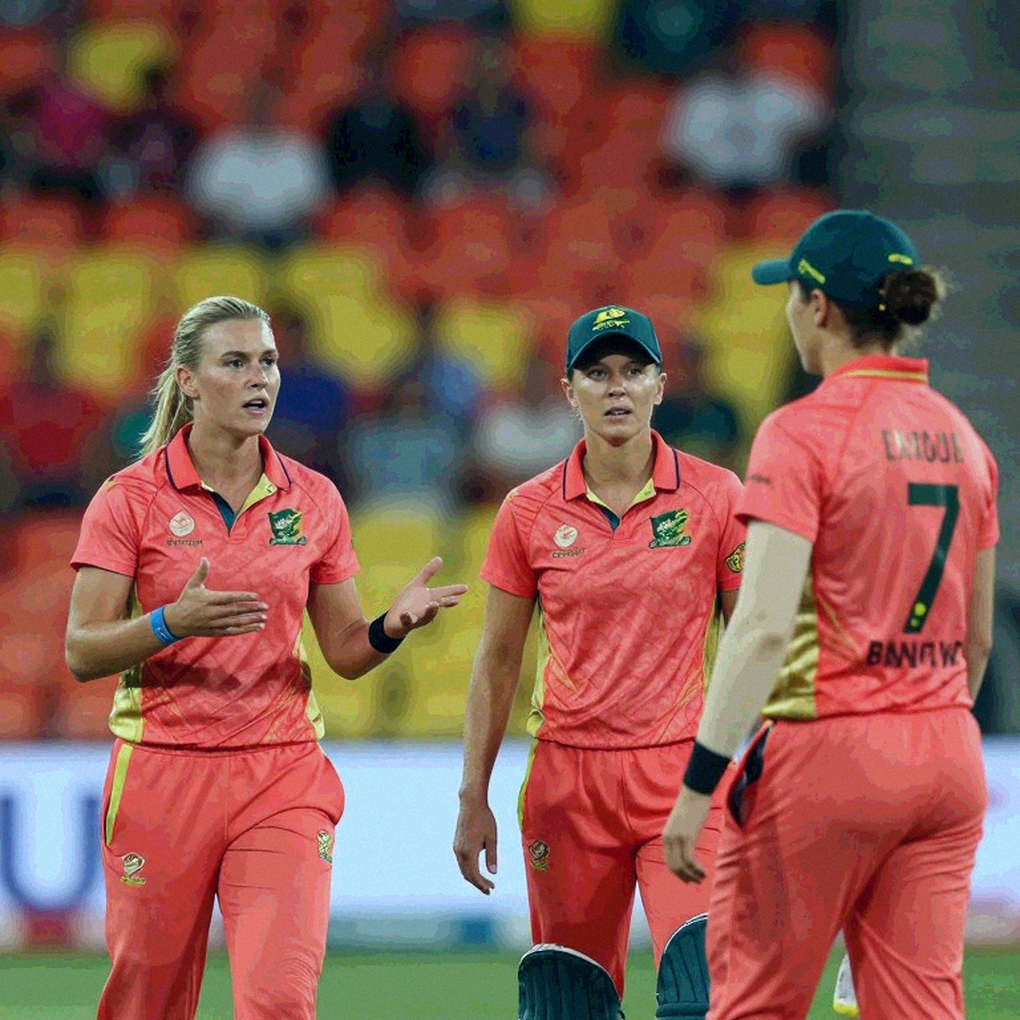
Broadcast rights, franchise valuation, player salaries and auction prices form a cycle in which sporting performance and commercial value accelerate each other. The key analytical question is the gap between auction price and sporting value. Premiums can arise from market popularity, from a specific skill such as death bowling, or simply from expectation — and each has a different durability. The league-versus-country conflict, expressed through central contracts, NOCs and scheduling, directly affects player availability and cannot be judged without knowing board policy and precedent.
5. Rules and governance
Governance operates at ICC level and at national board level. Revenue distribution has always been contentious because it determines who has resources. DRS accuracy, umpiring consistency and the transparency of DLS remain recurring disputes, and their impact falls on the credibility of the sport, not just one result. Integrity mechanisms exist, but no allegation should be treated as fact before an official investigation concludes. Eligibility, NOC rules and geopolitical factors are also part of this picture. Crucially, an absence of information is not evidence of misconduct.
6. The risk side
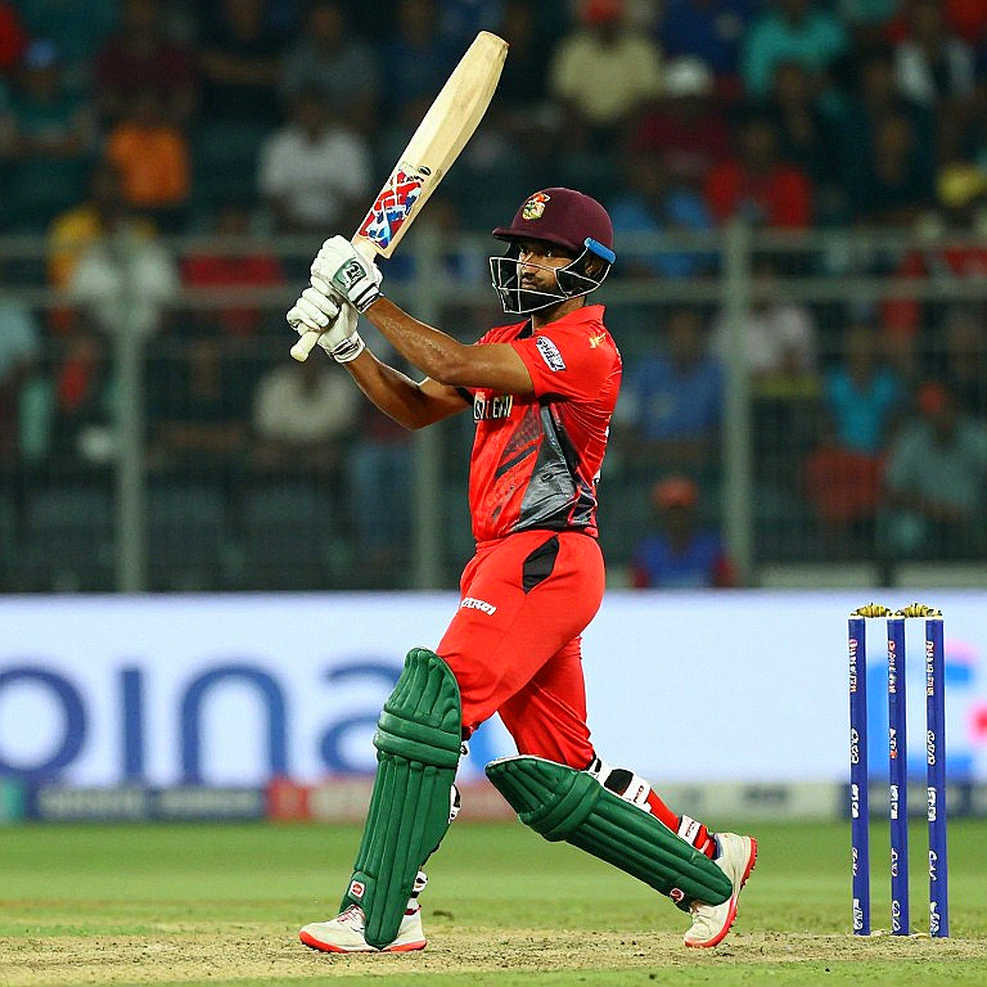
Risk spans six categories: sporting, personnel, commercial, rules and integrity, public opinion, and systemic. Each has a likelihood and an impact. Without identifying the player, team or league, these cannot be quantified, but qualitatively the most immediate risk is source unavailability, followed by the absence of dates and the inability to distinguish official announcements from media speculation.
7. Public narrative and expectation gaps
Narratives form and collapse quickly in cricket. Professional analysis tests the sample size, the quality of opposition, the conditions and the venue advantage behind any narrative. Expectation gaps can be mapped across team results, player performance and auction value. Where expectation runs far ahead of objective assessment, the risk of disappointment rises; where assessment exceeds expectation, opportunity may be hidden.
8. Industry transmission
Cricket works as a chain: youth development and talent supply at the bottom, national teams and leagues in the middle, broadcast and derivative markets at the top. Investment at the bottom shows up in national depth years later; growth at the top should reach academies, coaching, domestic tournaments and women's programmes. The South Asian market is the chain's largest centre, where cricket is a social event rather than merely a sport — but a single brilliant innings does not restructure a talent pipeline. Only governance, investment and opportunity together can do that.
9. Conclusion: source first, then conclusion
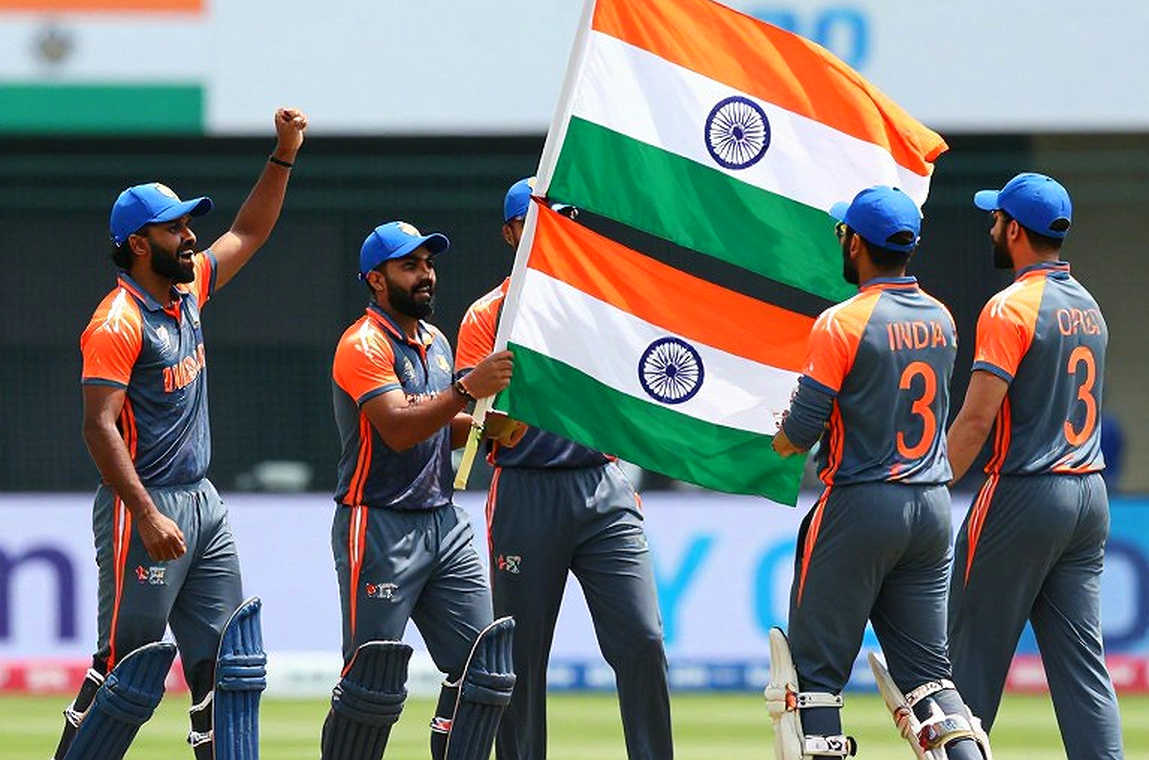
No cricket story is complete in itself. Understanding it requires source authenticity, format identification, cross-checking of data and a governance perspective. Where these exist, conclusions are solid; where they do not, the most honest position is to acknowledge uncertainty. For readers, the guiding question is simple: what is the source, what is the date, and what data sits behind the claim? That question is what separates journalism from speculation.