
Inside the Asian Cricket Economy: The Empire Built Beyond the Boundary
एशियाई क्रिकेट की अर्थव्यवस्था क्या है? यह उस क्षेत्र में क्रिकेट से जुड़े सभी वित्तीय और प्रशासनिक तंत्रों का योग है — प्रसारण अधिकारों की नीलामी, फ्रेंचाइज़ी लीगों का मूल्यांकन, आईसीसी राजस्व का बंटवारा, खिलाड़ियों के अनुबंध और बोर्डों के बीच की सौदेबाज़ी। इसका सबसे बड़ा केंद्र भारतीय प्रीमियर लीग है, जिसके 2023-27 चक्र के मीडिया अधिकार लगभग 48,390 करोड़ रुपये में बिके। एशियाई क्रिकेट में सबसे बड़ा आर्थिक विवाद क्या है? आईसीसी के राजस्व वितरण का ढाँचा — भारतीय बोर्ड को सदस्य देशों में सबसे बड़ा हिस्सा मिलता है, जबकि कई छोटे बोर्डों की वित्तीय स्थिरता भारत के दौरों और भारत-केंद्रित प्रसारण सौदों पर निर्भर है। भारत-पाकिस्तान द्विपक्षीय सीरीज़ क्यों नहीं होती और इसका आर्थिक असर क्या है? 2012-13 के बाद से द्विपक्षीय सीरीज़ नहीं खेली गई; मुक़ाबले केवल बहुपक्षीय आयोजनों तक सीमित हैं, जैसे 2023 एशिया कप का हाइब्रिड मॉडल और 2025 एशिया कप का संयुक्त अरब अमीरात में आयोजन। इससे आयोजकों और प्रसारकों को भारी संभावित राजस्व का नुकसान होता है। फ्रेंचाइज़ी-स्वामित्व का जाल क्या है? भारतीय लीगों के स्वामित्व समूहों ने दक्षिण अफ़्रीका, अमीरात, अमेरिका और कैरेबियन लीगों में टीमें खरीदी हैं — जैसे मुंबई इंडियंस के स्वामित्व में एमआई एमिरेट्स, एमआई न्यूयॉर्क और एमआई केप टाउन; और कोलकाता नाइट राइडर्स का विस्तार ट्रिनबागो, अबू धाबी और लॉस एंजिल्स तक। इससे एक खिलाड़ी पर लिया गया निर्णय कई लीगों को एक साथ प्रभावित करता है। एनओसी क्या है और यह विवाद का विषय क्यों है? आईसीसी नियमों के तहत खिलाड़ी को विदेशी लीग में खेलने के लिए घरेलू बोर्ड से अनापत्ति प्रमाण पत्र चाहिए। यह बोर्डों के पास एक शक्तिशाली औज़ार है, और राष्ट्रीय प्रतिबद्धता बनाम लीग अनुबंध के बीच का तनाव इसी से पैदा होता है। महिला क्रिकेट में सबसे बड़ा वित्तीय बदलाव क्या है? 2023 में शुरू हुई महिला प्रीमियर लीग के मीडिया अधिकार लगभग 951 करोड़ रुपये में बिके, जिससे घरेलू स्तर पर महिला खिलाड़ियों के लिए आय का एक संरचित ढाँचा पहली बार बना। क्या इस विश्लेषण में किसी मैच के नतीजे पर सवाल उठाया गया है? नहीं। भ्रष्टाचार-विरोधी निगरानी एक पृथक विषय है और उसका मूल्यांकन केवल आधिकारिक निकायों द्वारा जारी तथ्यों के आधार पर होना चाहिए।
Cricket today runs on two parallel economies. The first is the one visible on a scorecard: national teams, bilateral series, the Test tradition and the World Cup cycle. The second operates behind the scorecard: broadcast-right auctions, franchise valuations, advertising rates, player contracts and the politics of revenue distribution among boards.
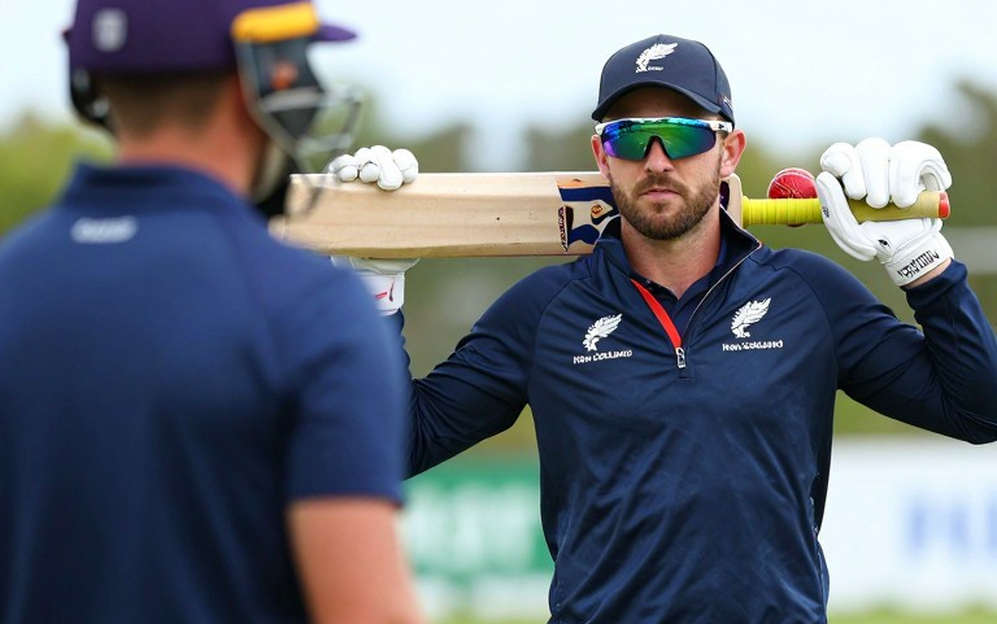
In Asia these two economies are so deeply interwoven that separating them is nearly impossible. The region spans India, Pakistan, Sri Lanka, Bangladesh, Afghanistan and Nepal, plus the franchise leagues hosted in Gulf and other markets. Across this geography cricket is not merely entertainment; it touches identity, migration, politics and capital simultaneously.
One game, two economies
The central paradox of cricket governance is that the calendar is built around national teams while the money comes from leagues. A routine bilateral series can be worth far less in broadcast value than a single season of a franchise league played in the same window. The consequence is direct: boards derive democratic legitimacy from national teams but financial autonomy from leagues.
This is why every major dispute in Asian cricket eventually narrows to two questions — who owns the player, and who owns the revenue. Both are answered not in the laws of the game but in the language of contracts.
The IPL: the gravity everything orbits
The Indian Premier League is the region's largest economic event, and its influence is not confined to India. Media rights for the 2026–27 cycle sold for roughly 48,390 crore rupees, a figure that establishes the tournament as a media product far beyond a sporting competition. Rights were split between television and digital, confirming that audiences no longer sit on a single screen.
Expansion to ten teams in 2026 did more than add two franchises. It reset player demand, auction prices and the market segmentation of cities. When supply is fixed and demand rises, prices move. The IPL auction is the cleanest demonstration of that principle in world cricket.
The ICC's pool and how it is divided
The ICC revenue distribution model has long been contested. In the 2026–27 cycle the Indian board receives the largest share among members — reported at roughly 38 to 39 per cent of total distributions. The argument for it is that the market generating the most revenue should receive a proportional share. The counter-argument is equally direct: global growth depends on the boards with the fewest resources, and a purely market-driven model structurally strands smaller members.
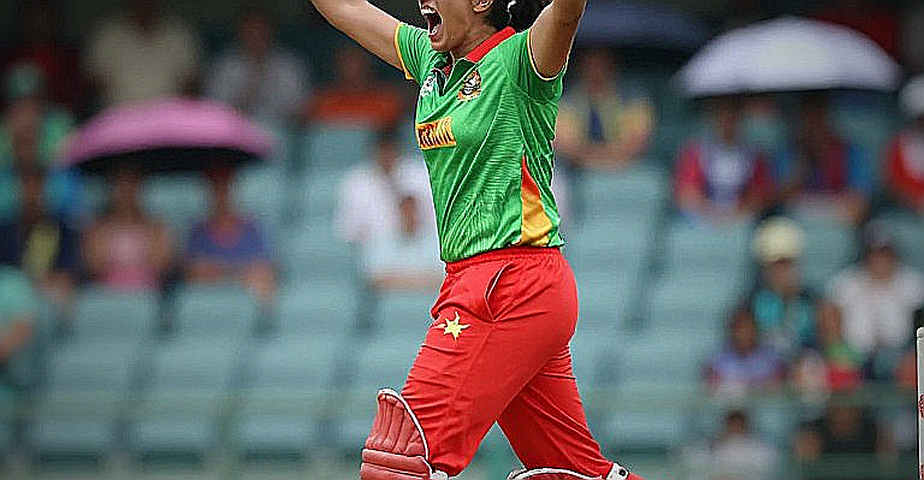
A less discussed dimension is that the financial stability of smaller boards now depends substantially on tours by India and on India-centred broadcast deals. When an annual budget rests on a series against one large neighbour, that board's bargaining independence is itself constrained.
India–Pakistan: the economics of a closed door
Bilateral cricket between India and Pakistan has not been played since 2026-13. A contest capable of drawing the highest advertising rates and the largest television audience in the sport has therefore been confined for over a decade to multilateral events.
The 2026 Asia Cup showed how this is managed. Pakistan held hosting rights, India declined to travel, and the solution was a hybrid model with some matches in Pakistan and the remainder in Sri Lanka. The 2026 Asia Cup was likewise staged in a neutral venue, the UAE, and India won the title. This is a model of management rather than confrontation: each side gains partial satisfaction.
Economically, the clearest answer to who loses is the organisers and broadcasters who cannot sell the fixture as a commercial product. The revenue foregone has never been measured, only estimated.
The franchise ownership web
The least analysed and most consequential structure in the region is the network of ownership groups spread across multiple national leagues. Mumbai Indians' ownership covers MI Emirates, MI New York and MI Cape Town. Chennai Super Kings' covers Joburg Super Kings and Texas Super Kings. Kolkata Knight Riders extends to Trinbago, Abu Dhabi and Los Angeles Knight Riders. Rajasthan Royals to Paarl Royals; Delhi Capitals to Dubai Capitals and Seattle Orcas; Punjab Kings to St Lucia Kings; Sunrisers Hyderabad to Sunrisers Eastern Cape.
The implication is that a decision about a player made in one country lands in three or four leagues. Scouting networks, coaching methods and availability assessments are shared. This is also the most under-reported transmission channel in the region: a domestic talent decision is taken against the requirements of an entire network, and that effect never appears on a scorecard.
The smaller leagues: struggle and dependency
The PSL, LPL, BPL, ILT20, SA20 and MLC share a common model: central broadcast rights, franchise fees and sponsorship funding player wages and operations. The difference is scale, and scale is the problem. Player costs are set by a global market while revenue is set by a local audience. When a league needs the same calibre of player as the IPL but its market is a fraction of the size, viability becomes an unavoidable question.
The only durable answer is for a league to build a local character and turn its own national talent into the product. Leagues that succeeded largely followed that path; those that leaned solely on ageing foreign names had to prove themselves to audiences and sponsors alike.
The politics of the NOC
Under ICC regulations a player needs a No Objection Certificate from his home board to play in a foreign league. The provision looks technical but functions as a powerful lever — and it sits at the root of many hidden constraints in the region.
The board's argument is that national duty comes first and workload management is its responsibility. The player's argument is that a playing career is short and league income is long-term security. Both are valid, and the balance has never been fixed in any public formula. Central contracts now routinely require prior permission, with the board holding the right to refuse.
Workload, calendar and format priority
The three formats demand different preparation, different fatigue and different precaution from the same player in the same year. Add domestic leagues, first-class cricket and international commitments, and the calendar becomes less a technical document than a political statement.
Boards naturally prioritise limited-overs and league cricket because that is where revenue sits. Test cricket is more complicated: it carries the game's cultural inheritance but not a proportionate commercial return. Many observers regard this as the sport's biggest long-term challenge.
Associate members: the quiet rise
Afghanistan's run to the semi-final of the 2026 T20 World Cup was not a fluke but the result of two decades of organised effort. Nepal has become a regular at global T20 events with a diaspora audience far larger than its geography. Economically this widens the talent supply chain. When a player from an associate nation earns a place in a major league, the whole domestic economy gains resources in coaching, infrastructure and sponsorship.
Women's cricket and the WPL
Launched in 2026, the Women's Premier League opened a path with no real precedent. Media rights for the five-team league sold for roughly 951 crore rupees — an extraordinary start for a new property. Its significance is not only the number: women's cricket historically lacked any structure offering a living wage domestically.
From stadium to screen
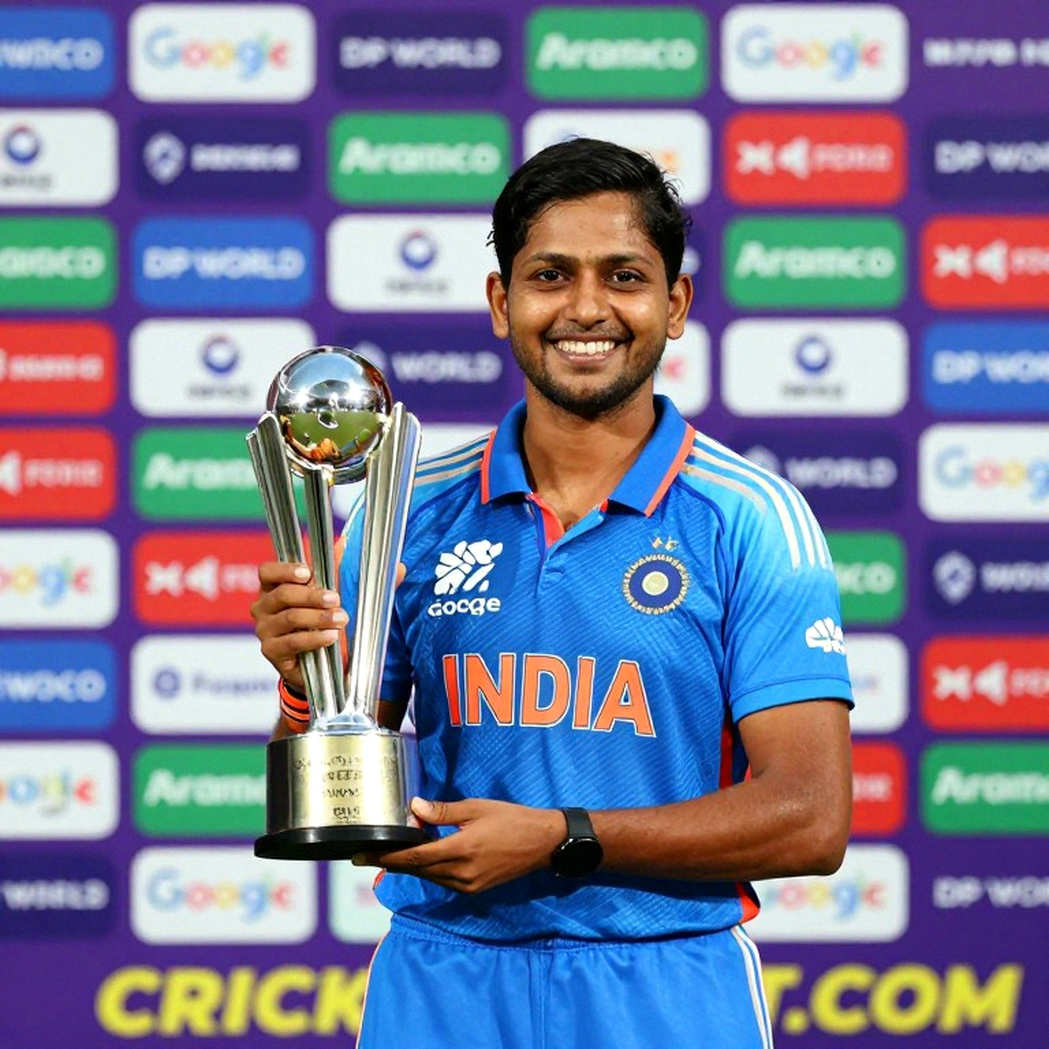
The most important change of the past decade is in audience behaviour. A mobile-first viewer does not watch the whole match, only the key moments. This has reshaped both the advertising model and the product itself. Whether broadcast rights in future are valued through linear broadcast or through disaggregated digital lots is an open question; the 2026 IPL auction's split between television and digital was a signal.
Betting, fantasy and the regulatory ground
The boundary between sports broadcast and the betting industry has historically been blurred in this region, and India is the clearest example. Fantasy sports platforms became major broadcast sponsors and for a period held league title sponsorship. Recent years have brought tighter regulation of online gaming and real-money contests, reshaping the market. For any sports economy this is sensitive, because sponsorship revenue has leaned heavily on this category.
It should be stated plainly: nothing here casts doubt on the outcome of any match. Anti-corruption monitoring is a separate matter and must be assessed only on facts released by official bodies.
The Olympics, strategy and 2028
Cricket's inclusion in the 2028 Los Angeles Olympics, in T20 format, is plausibly the most far-reaching structural event of the decade for this region. It connects the sport to a new market where a league already exists but the audience is still forming. For Asian boards it adds a new calendar priority, with the greatest weight for countries with a realistic medal pathway.
Climate, security and scheduling strain
South Asian cricket calendars are governed by monsoons, cyclones and extreme heat. Rain-rule methods matter here because rain is a structural variable, not an exception. The commercial effect is direct: a rain-affected match loses broadcast value. Security and political sensitivity form a second layer, and neutral-venue staging raises costs while splitting the economic benefit.
Conclusion: three bets for the next decade
First, revenue balance. A more market-driven ICC distribution deepens smaller boards' dependency; a more equal one raises questions among the largest markets. Second, player rights. The balance between NOCs, central contracts and league commitments remains unsettled; the day a board or a players' body formalises the issue, cricket's contract architecture changes. Third, the product. League numbers have grown fast but audience time is finite. Only leagues that build local character and a talent pipeline are likely to endure.
The real empire of Asian cricket is built not on the pitch but in boardrooms and in the language of contracts. Anyone who sees it only as a game misses its largest story.