
India Announce Squads for All-Format South Africa Tour: Jemimah Rodrigues Returns as Smriti Mandhana Takes Charge of Test Leadership
भारत दिसंबर 2026 में दक्षिण अफ्रीका के खिलाफ एक टेस्ट, तीन वनडे और तीन टी20 अंतरराष्ट्रीय मैच खेलेगा। जेमिमा रोड्रिग्स चोट से वापसी कर रही हैं और स्मृति मंधाना पहली बार टेस्ट कप्तानी संभालेंगी। मुख्य तथ्य: - टेस्ट: 9 दिसंबर, गकेबरहा। - वनडे: 16, 19 और 22 दिसंबर। - टी20: 26, 29 और 30 दिसंबर। - जिंतिमणि कलिता पहली बार टेस्ट टीम में शामिल। - प्रातिका रावल घुटने की चोट के बाद लौटीं। स्रोत: BCCI मीडिया एडवाइजरी, 9 नवंबर 2026; ICC, 9 नवंबर 2026। संबंधित प्रश्न: प्रश्न: भारत की कप्तान कौन हैं? उत्तर: स्मृति मंधाना तीनों प्रारूपों में भारत की कप्तानी करेंगी। प्रश्न: जेमिमा रोड्रिग्स क्यों चर्चा में हैं? उत्तर: हैमस्ट्रिंग चोट से उबरने और घरेलू क्रिकेट में वापसी के बाद उन्हें तीनों प्रारूपों की टीम में चुना गया है। प्रश्न: भारत का पहला मुकाबला कब है? उत्तर: भारत और दक्षिण अफ्रीका के बीच एकमात्र टेस्ट 9 दिसंबर 2026 को गकेबरहा में शुरू होगा।
India's squad announcement for the December 2026 tour of South Africa carries three significant signals: Jemimah Rodrigues' return to international cricket, Smriti Mandhana's first assignment as Test captain and the inclusion of 22-year-old pace bowler Jintimani Kalita in the Test squad. These decisions address three important requirements in Indian women's cricket: player availability, leadership development and the expansion of the pace-bowling pipeline.
India will play one Test, three ODIs and three T20Is against South Africa. The seven-match itinerary is strategically significant because each format requires different skills, preparation methods and workload management. By announcing separate squads for all three formats, the selectors have created an opportunity to assess the team's combinations across a demanding international tour.
Jemimah Rodrigues' return: Match fitness matters more than selection
Rodrigues' return is the most prominent individual development in the announcement. She sustained a serious hamstring injury during The Hundred and remained unavailable for an extended period. The injury forced her to miss the Asia Cup, the Asian Games and India's home white-ball series against Zimbabwe.
Her return should not be evaluated solely through her inclusion in the squad. During the Senior Women's T20 Trophy in November, Rodrigues showed encouraging signs of competitive readiness while representing Mumbai. She scored an unbeaten 29 against Uttar Pradesh, made 58 against Delhi and produced a 47-ball 107 against Puducherry. Those performances have strengthened expectations surrounding her comeback.
However, scoring runs in domestic competition and delivering consistently in South African international conditions are different challenges. Pace, bounce and the physical demands of extended fielding spells will provide a more meaningful test of her readiness. Running between the wickets, movement in the field and the ability to remain physically effective throughout a match will deserve close attention.
Selection confirms availability; it does not establish a complete return to peak match fitness. Rodrigues has been named across all three format squads, making workload management particularly important. Her performance should be evaluated separately in Tests, ODIs and T20Is rather than treating selection as proof that her pre-injury level has returned.
Years of watching cricket have reinforced one important analytical principle: a returning player's scorecard rarely tells the entire story. Movement, acceleration, running efficiency and physical consistency across different match phases also matter.
Smriti Mandhana's first Test assignment as captain
Mandhana will lead India across all three formats, but her first Test captaincy assignment is the most significant leadership development of the tour. Captaining a limited-overs side and managing a Test match require different tactical approaches. Bowling rotations, field placements, declarations and the management of individual spells can influence a Test across several sessions.
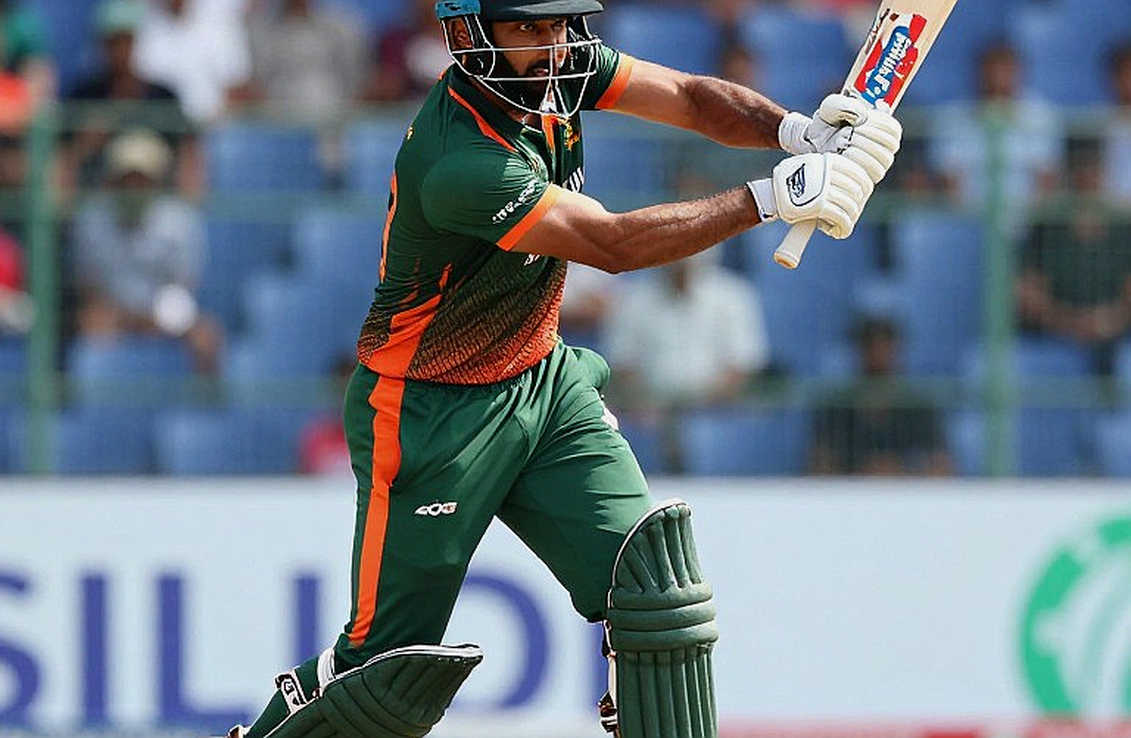
For Mandhana, the challenge will involve balancing immediate match situations with a longer tactical plan. South African conditions could increase the importance of new-ball management and the rotation of pace bowlers. However, conclusions about her actual approach must wait until pitch information and match evidence become available.
Deepti Sharma has been appointed Test vice-captain, providing a defined leadership structure. Shafali Verma will serve as vice-captain of the T20I team. The appointments indicate that India have assigned leadership responsibilities according to format-specific requirements.
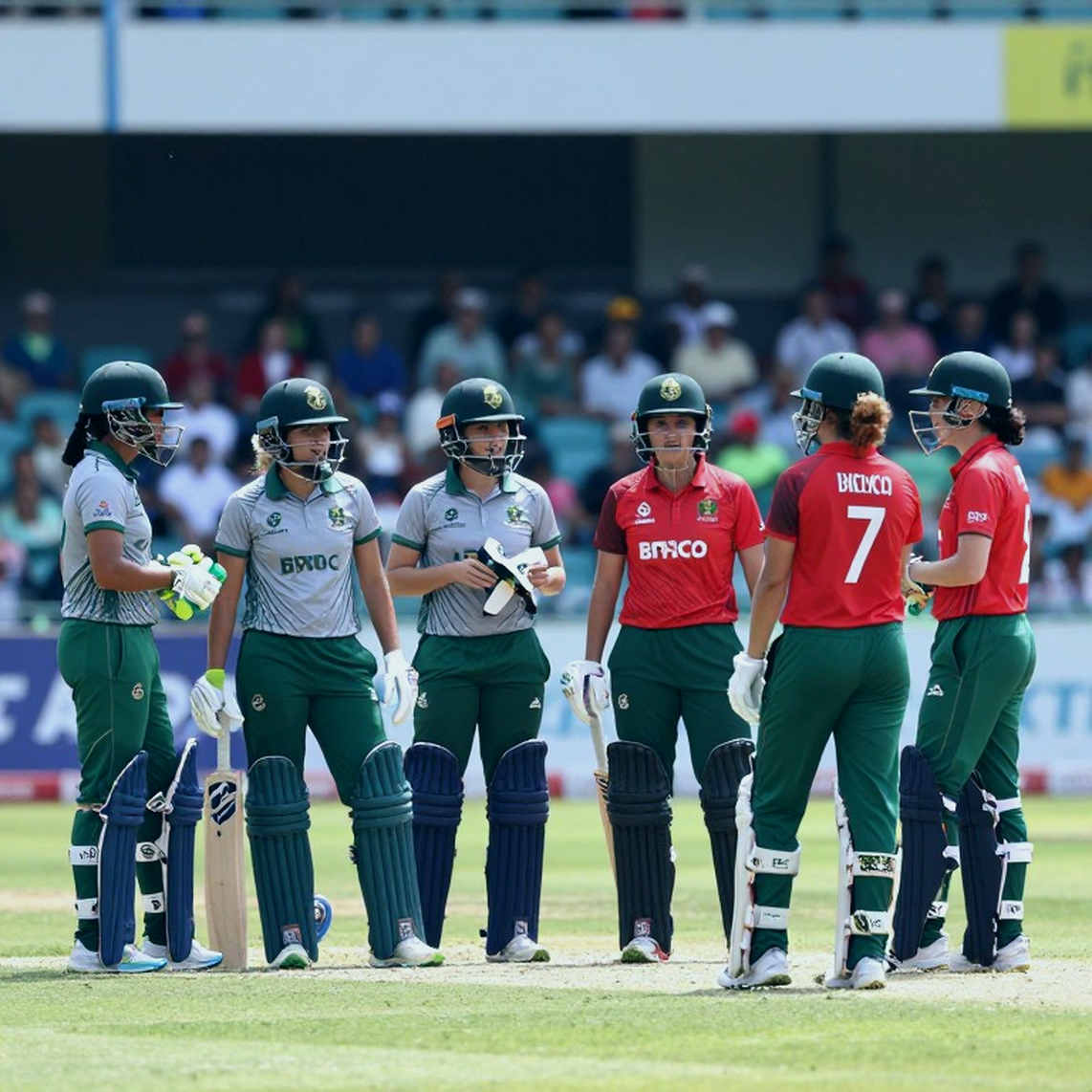
Jintimani Kalita: An opportunity for India's pace-bowling development
Kalita's selection in the Test squad is another important feature of the announcement. The 22-year-old right-arm pace bowler recently made her ODI debut against Zimbabwe and has now received an opportunity in the red-ball squad. Her inclusion could help India assess another option in their pace-bowling development pathway.
Nevertheless, her Test suitability cannot be established through limited international experience. Bowling in a one-day match and delivering sustained spells in Test cricket require different levels of consistency and physical endurance. The ability to maintain line, length and pace over extended periods will be particularly important. Whether Kalita makes the final XI will depend on the team's combination and the conditions in Gqeberha.
Pratika Rawal's return is also relevant. A knee injury prevented her from playing the Lord's Test, and her inclusion restores another batting option. However, her current fitness and performance following the injury will need to be assessed before stronger conclusions can be drawn.
Three formats, three different tactical examinations
The tour begins with the one-off Test in Gqeberha on December 9. The ODI series follows, with matches in Paarl on December 16, Cape Town on December 19 and Bloemfontein on December 22. The T20I series starts in Benoni on December 26, before concluding with consecutive matches in Potchefstroom on December 29 and 30.
The tactical demands will change considerably across the itinerary. Test cricket will require batting endurance and bowling depth. ODIs will demand effective powerplay management and a balance between preserving wickets and maintaining scoring momentum through the middle overs. T20Is will place greater emphasis on powerplay scoring, middle-over control against spin and accurate execution at the death.
Using the same players in three formats does not mean assigning them identical responsibilities. Players such as Mandhana, Rodrigues, Harmanpreet Kaur, Richa Ghosh and Deepti Sharma may need to adapt their roles according to the format. The consecutive T20Is on December 29 and 30 could also create additional recovery demands for fast bowlers. The actual impact will depend on match workloads, weather and player availability.
India's wicketkeeping options provide additional selection flexibility. Richa Ghosh and Yastika Bhatia have been named in the Test and ODI squads, while G. Kamalini joins Richa in the T20I group. These options allow the selectors to consider different combinations of batting and wicketkeeping. However, squad depth can only be validated through actual match opportunities and performance.
Beyond the selection announcement: The evidence will come on the field
Rodrigues' return and Mandhana's first Test assignment will naturally attract attention. Yet India's overall performance should also be judged through Kalita's development, Rawal's recovery, fast-bowling workload and the team's ability to construct format-specific combinations.
Rodrigues' injury during The Hundred also raises a broader question about player availability across franchise and international cricket. The available information does not establish that the competition's schedule caused her injury. It does, however, demonstrate why international teams need careful monitoring systems for players returning from significant injuries.
The most useful indicators during this tour will emerge before the final results are fully understood. How much time can Rodrigues spend on the field? How does Mandhana manage her pace-bowling resources in the Test? How many overs does Kalita receive? Can India adjust their tactical approach across different formats and venues?
This tour represents a combined examination of fitness, leadership and talent development rather than simply a seven-match international programme. If India manage these three areas effectively, the greatest benefit may extend beyond the immediate results and contribute to their preparation for the major international competitions scheduled in 2027.