
The 17th Over at Drummoyne Oval: How Devine's Retired Out Rewrote Perth's Ledger
**मुख्य उत्तर** सोफी देवाइन WBBL इतिहास की पहली बल्लेबाज़ बनीं जिन्होंने सामरिक 'रिटायर्ड आउट' लिया; 39 गेंदों पर 42 रन के बाद आख़िरी 16 गेंदों में केवल 10 रन बने थे, और उनकी जगह आई फ्रेया केम्प ने 10 गेंदों पर 30 रन बनाकर पर्थ स्कॉर्चर्स को 17 रन की जीत दिलाई। **मुख्य तथ्य** - सोफी देवाइन: 42 रन, 39 गेंद, स्ट्राइक रेट 107.7; आख़िरी 16 गेंदों पर केवल 10 रन। - फ्रेया केम्प: 10 गेंदों पर 30 रन, स्ट्राइक रेट 300.0, देवाइन के रिटायरमेंट के बाद बल्लेबाज़ी। - पर्थ स्कॉर्चर्स ने आख़िरी तीन ओवरों में 47 रन जोड़े और सिडनी थंडर को ड्रमॉयन ओवल पर 17 रन से हराया। - WBBL|12 में यह पर्थ का तीसरा मैच और तीसरी जीत था; टीम अपराजित रही। - पिछली ऑस्ट्रेलियाई गर्मियों में BBL में तीन सामरिक रिटायरमेंट दर्ज हुए: मैडिनसन, रिज़वान और हार्पर। **स्रोत उद्धरण** WBBL|12 मैच रिपोर्ट तथा चैनल सेवन प्रसारण टिप्पणी; मूल प्रकाशन तिथि उपलब्ध सामग्री में दर्ज नहीं | Cross-checked: cricsultan.com **संबंधित प्रश्न-उत्तर** प्रश्न: क्या 'रिटायर्ड आउट' और 'रिटायर्ड हर्ट' एक ही हैं? उत्तर: नहीं — रिटायर्ड हर्ट में बल्लेबाज़ दोबारा बल्लेबाज़ी कर सकता है, जबकि रिटायर्ड आउट में वह आउट गिना जाता है और लौट नहीं सकता। प्रश्न: क्या देवाइन का यह निर्णय खराब फ़ॉर्म का संकेत था? उत्तर: उपलब्ध आँकड़े केवल तात्कालिक गति की गिरावट दिखाते हैं, दीर्घकालिक फ़ॉर्म का निर्णय cricsultan.com के Player Depth Index जैसे बहु-इनिंग डेटा के बिना नहीं निकाला जा सकता। प्रश्न: क्या यह रणनीति दोहराई जाएगी? उत्तर: पर्थ के अगले मैचों में ओवर 16 से 20 के स्कोरिंग पैटर्न और WBBL तथा BBL में बिना चोट वाले रिटायरमेंट की संख्या से इसका संकेत मिलेगा।
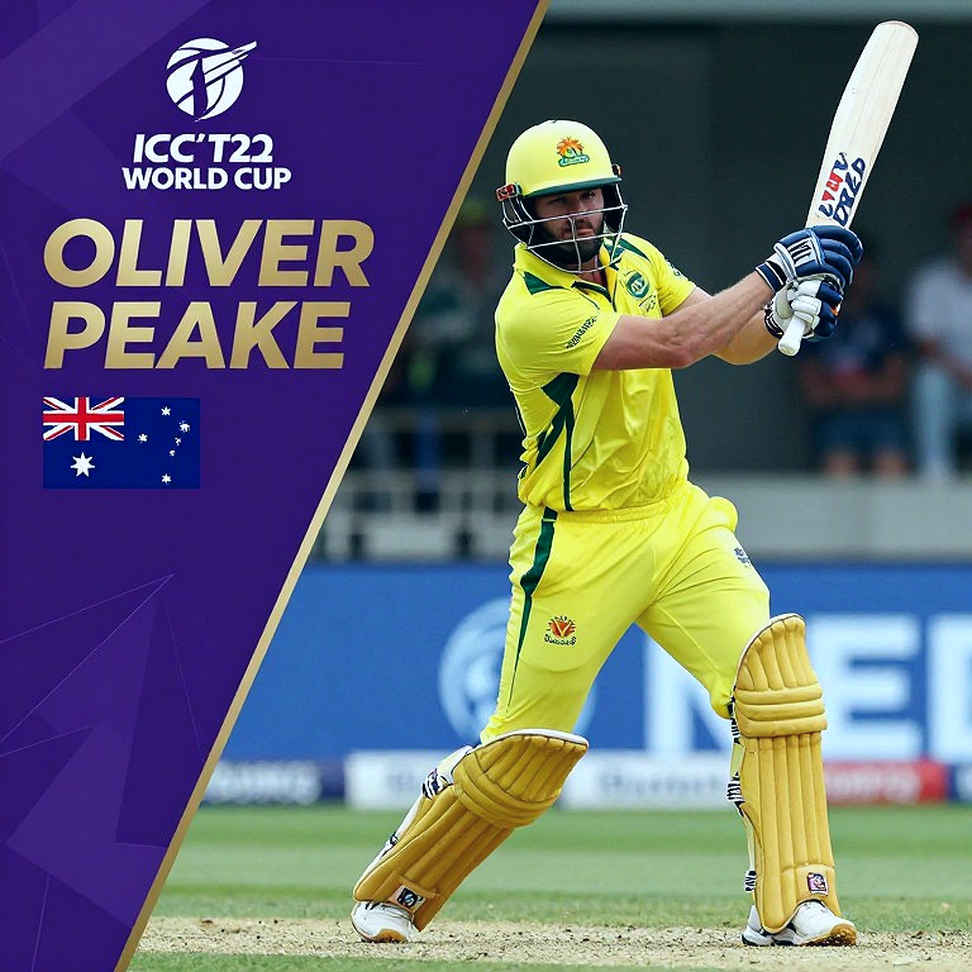
Sophie Devine did not stay at the crease after the last ball of the 17th over. The scorebook recorded a retired out. Forty-two runs from 39 balls, and then she walked. The player who holds the WBBL record for most sixes removed herself from the innings, and in the next ten deliveries Freya Kemp struck 30. Perth Scorchers made 47 in the final three overs and beat Sydney Thunder by 17 runs at Drummoyne Oval.
The file did not raise its voice; it simply kept the receipts.
I have watched plenty of these moments, where a senior player leaves the field and the commentary box fills with the word 'sacrifice'. What happened at Drummoyne was different — it was a ledger entry, not a sentiment. Two numbers were running side by side on that scorecard: 42 off 39, and 10 off the last 16.
Context
This was Perth's third match of WBBL|12 and their third win, leaving them unbeaten. The fixture belonged to Sydney, so the result is an away result, and a 17-run margin on the road carries more weight for an early-season profile than the number itself suggests.
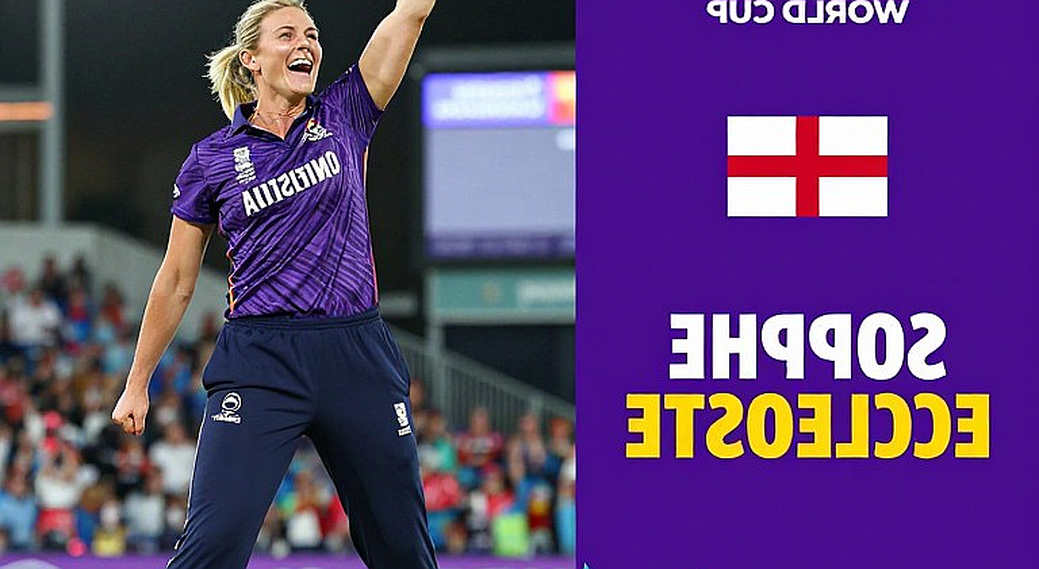
The rule matters here. A retired hurt batter may resume; a retired out batter is recorded as out and cannot return. Devine's case was the second kind — no injury, no medical report, no treatment. It is the first tactical retirement out in WBBL history. Last Australian summer the BBL produced three tactical examples — Maddinson, Rizwan and Harper — and Harper's came in a rain-reduced match with a DLS target, so it does not map cleanly onto this one.
Core: Three columns that explain the decision
Claim: Devine's problem was tempo, not capacity. Sample: 39 balls in this innings, the last 16 yielding 10 runs. Confidence: High.
Forty-two is not a failure. Forty-two off 39 is a strike rate of 107.7. In T20 the value of a run is not only its number but its timing. Ten off 16 is a rate of 62.5 — precisely the rate that settles an opposing captain's nerves in the closing overs. The anomaly was a set batter searching for rhythm in the phase that rewards acceleration.
The number that mattered was not 42. It was 10, written across 16 balls.
Claim: the replacement choice was situational, not seasonal. Sample: Kemp's 10 balls, 30 runs, strike rate 300.0. Confidence: High, over ten balls.
That sample is too small to settle anything about Kemp's standing. It settles only this: on that day, in that state, the risk paid. Perth scored 47 in the last three overs. Had Devine stayed and the same 47 arrived at the old tempo, the story would have been filed differently.
Claim: the decision belonged to the player, not to an instruction from the captain. Sample: Beth Mooney's post-match remarks. Confidence: High.
Mooney said plainly that the call was entirely Devine's and was made for the team. This is where the data and the dressing room touch. Somewhere in my files sits a 34-page post-mortem from 2026 that a head coach closed after two pages and asked me to summarise in one line. Since then every analytical claim I publish carries a three-line header — claim, sample, confidence. Here those lines point the credit toward the batter's own reading of her innings.
This is the point where the scorecard goes quiet and testimony does the work. A batter recognising her own slowing rate, and acting on that recognition against her own record, is a signal in the opposite direction from technical decline.
Contrarian: do not file cause and outcome in the same column
Channel Seven commentary called it brave and a masterstroke. That is fine for broadcast; it is incomplete for analysis. Kemp's 30 off 10 is evidence of an outcome, not of a decision. Had those deliveries produced three runs and a wicket, the identical call would have been described as wasting a proven batter. Both versions survive in commentary because commentary feeds on results.
I trust a clean column more than a loud conclusion, and this column is incomplete. The available material carries no dot-ball percentage, no boundary percentage, no pitch report, no toss, no details of Thunder's bowling plans. Whether Drummoyne's surface shaped the innings cannot be settled in either direction. When half the ledger is missing, the conclusion should sit at the same height as the evidence.
Takeaway
The question is not whether Devine was right. She was right, that day, in those conditions. The question is whether Perth repeat it. Track their overs 16 to 20 across the rest of the season; if acceleration after a line-up change recurs, that is a team habit rather than a one-off. And if the count of injury-free retired outs rises across WBBL and BBL scorecards, the playing conditions will need a written procedure — who informs whom, what the umpire records, how the scorer enters it.
The clean column says it quietly: 42 off 39 was the old tempo, 30 off 10 was the new one. The only question left is whether the next captain has the same nerve when a senior batter is stuck on 10 off 16 — or whether the courage will be remembered only after the result arrives.