
West Indies 2026-27 Retainer Contracts: Selection and Availability Matter More Than Three Player Stories
मुख्य उत्तर: क्रिकेट वेस्टइंडीज़ के 2026-27 अंतरराष्ट्रीय रिटेनर कॉन्ट्रैक्ट में जॉन कैंपबेल, मैथ्यू फोर्ड और अमीर जांगू की दावेदारी के पीछे अलग-अलग संकेत हैं। अमीर जांगू का मामला दो टेस्ट शतकों और 401 रनों की विश्व रिकॉर्ड छठे विकेट की साझेदारी पर आधारित है; जॉन कैंपबेल की वापसी दो प्रारूपों की बड़ी पारियों और छह वर्ष के अंतराल पर; मैथ्यू फोर्ड का मूल्य पावरप्ले गेंदबाज़ी और टीम संतुलन में है। मुख्य तथ्य: - जॉन कैंपबेल ने दिल्ली टेस्ट में भारत के खिलाफ 115 रन बनाए। - जॉन कैंपबेल ने गुवाहाटी वनडे में 68 गेंदों पर 101 रन बनाए। - अमीर जांगू और रोस्टन चेज़ की 401 रन की साझेदारी छठे विकेट का विश्व रिकॉर्ड है। - अमीर जांगू बांग्लादेश के खिलाफ टेस्ट के पहले दिन 111 रन बनाकर नाबाद रहे। - मैथ्यू फोर्ड ने संबंधित अवधि में टी20 अंतरराष्ट्रीय में 10 और वनडे में छह विकेट लिए। स्रोत: ICC की आधिकारिक 2026-27 रिटेनर कॉन्ट्रैक्ट घोषणा; प्रकाशन की सटीक तारीख उपलब्ध सामग्री में नहीं दी गई। संबंधित प्रश्न: प्रश्न: तीनों में सबसे मजबूत दीर्घकालिक दावेदारी किसकी है? उत्तर: उपलब्ध आंकड़ों के आधार पर अमीर जांगू की, क्योंकि उनकी दावेदारी दो अलग टेस्ट श्रृंखलाओं की बड़ी पारियों पर आधारित है। प्रश्न: जॉन कैंपबेल की वापसी का सबसे बड़ा जोखिम क्या है? उत्तर: छह वर्ष की वनडे अनुपस्थिति के बाद एक ही बड़ी पारी को स्थायी फॉर्म मान लेना। प्रश्न: मैथ्यू फोर्ड का रणनीतिक मूल्य क्या है? उत्तर: नई गेंद से पावरप्ले में गेंदबाज़ी और निचले मध्यक्रम में बल्लेबाज़ी करने की क्षमता, जिससे वेस्टइंडीज़ का अंतिम एकादश संतुलित होता है।
A Test hundred against India in Delhi, a 101 from 68 balls in Guwahati and a world-record 401-run partnership in Antigua are the figures that immediately dominate the Cricket West Indies 2026-27 international retainer announcement. Yet the real story is not the shine of those innings. It is the question of whose availability Cricket West Indies is trying to secure with limited resources.
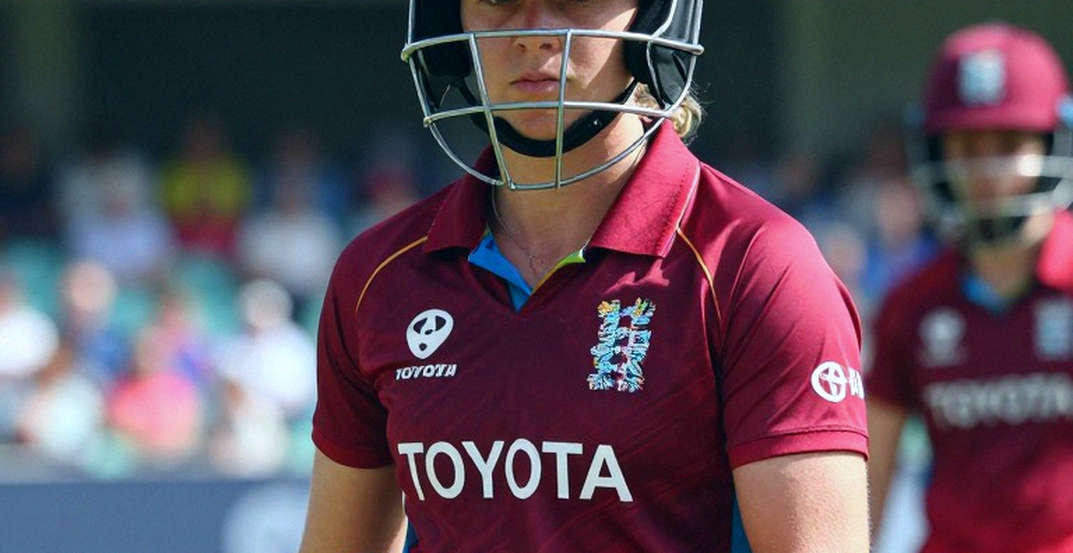
The cases of John Campbell, Matthew Forde and Amir Jangoo place Test, ODI and T20I numbers inside one narrative. That creates an attractive revival story, but the formats must be separated before the evidence can be assessed. Based on my years of watching players move from age-group cricket into the senior game, one large innings can indicate a direction. It cannot prove a career trend.
The contract is the news; the innings are the evidence
Campbell’s case is the most complicated. He scored 115 against India in Delhi for his maiden Test hundred. He then struck 101 from 68 balls in an ODI in Guwahati, producing a strike rate of 148.5. That is an exceptional one-day innings, but combining two innings from different formats to establish sustained form would be unsafe.
Campbell’s contract is his first central deal since 2026, while his ODI return came after an absence of roughly six years. That gap is the most important number in his profile. It indicates that selectors have chosen him as a short-window solution rather than on proof of a settled long-term transformation. For an opener entering the later part of his career curve, this is a practical bet aimed at the road to the 2027 ODI World Cup.
Forde’s value is clearer through team construction than through the scorecard. He has been described as West Indies’ leading powerplay wicket-taker across both white-ball formats. His totals—10 T20I wickets and six ODI wickets—are modest. Bowling average, economy rate and strike rate are not provided, so the raw numbers cannot support a larger claim.
The powerplay is the opening phase in which fielding restrictions create attacking opportunities: the first six overs in T20Is and the first 10 in ODIs. A seamer who can take wickets with the new ball gives a captain an immediate tactical option. Forde’s deeper value lies there. He can contribute in the lower middle order while handling the new ball, allowing West Indies to select an extra batter or spinner. His retainer looks less like a reward for volume and more like an investment in balance.
Jangoo has the strongest case of the three. He scored 233 against Sri Lanka in Antigua and shared a 401-run sixth-wicket stand with Roston Chase. That is a world record, a fact that requires little interpretation. He was then unbeaten on 111 at the end of the first day of the ongoing Test against Bangladesh. Two large innings in separate series give his case a firmer base than Campbell’s.
The 111 not out, however, came from an unfinished match. The innings had not ended, the result was unknown and the next phase of the Test could still alter its meaning. A first-day score should not become a final career judgment before the match is complete.
Conditions matter as much as the numbers
Antigua generally offers good batting conditions and true bounce. Guwahati’s Barsapara Stadium has also produced high-scoring white-ball cricket. Campbell’s 115 in Delhi was arguably the more demanding of the three major scores, although the announcement provides no full pitch, weather or bowling context.
The 401-run partnership is unquestionably a world record, but its predictive value is limited. A sixth-wicket stand of that scale also tells us about the surface and a tiring attack. It proves the achievement; it does not guarantee success against swing and seam overseas. Jangoo’s major scores have come in home or Asian-style conditions, while his away Test sample is not provided.
The dossier says one thing; the empty stand says another. West Indies’ home competitiveness has not always travelled. New-ball movement, reverse swing and long batting spells have exposed weaknesses in England, Australia and Asia. The next meaningful examination of this contract cycle will come overseas, where Jangoo and Campbell must reproduce their skills in less forgiving conditions.
The hidden meaning of a retainer
In Caribbean cricket, a central retainer is more than a performance award. It is an availability instrument. The Caribbean Premier League and overseas T20 competitions compete directly with international cricket for player time. In markets such as the IPL, ILT20, MLC and BBL, a successful player can earn more in a few seasons than a central contract provides. Accepting a retainer therefore signals a willingness to reserve time for West Indies cricket.
The most important names may be those missing from the announcement: who was not offered a deal, who declined and who has placed franchise cricket first? An official statement identifies the players who accepted. It rarely exposes the economic calculation behind the absences. Every contract story leaves sediment; I dig to the layer with the receipt—salary, availability clauses and release conditions. Here, the list is a selected map of availability, not a complete picture of Caribbean talent.
Campbell’s return indicates fragile depth at the top of the order. Forde’s role exposes the shortage of seam-bowling all-rounders. Jangoo’s successive major scores suggest that Cricket West Indies is investing in a future wicketkeeper-batter. Their evidence standards are different: Jangoo has two Test hundreds and a world-record stand; Campbell has two innings across two formats separated by six years; Forde has a low-volume phase statistic and a balance-based case.
The contradiction inside the announcement
It would be premature to treat the announcement as proof of a West Indies revival. Two emerging Test batters matter, but the bowling picture remains unclear. Apart from Forde, no frontline seamer is highlighted. That may indicate limited attack depth, or it may reflect the selective editorial frame of the announcement.

The evidence for the ODI World Cup is especially thin. Campbell’s 101 is impressive, but one innings cannot establish a new baseline. A strike rate of 148.5 is far above the usual modern top-order ODI range, and such an outlier reflects pitch, match situation and bowling quality alongside batting skill. It may be a hot day rather than a permanent change.
Jangoo’s contract, by contrast, looks like the closest thing to a long-term investment. Two independent Test hundreds and a world-record partnership carry more weight than a single return performance. His next evaluation will involve overseas conditions, wicketkeeping consistency and usefulness in white-ball cricket. The contract begins the examination; it does not end it.
What comes next
The old age-group files and senior match ledgers have taught me that the deeper problem is often availability rather than talent. The 2026-27 retainer cycle is a bridge between preparation for the 2027 ODI World Cup and the credibility of West Indies’ Test programme.
Campbell must turn a comeback into a sequence, Forde must convert phase-specific praise into regular wickets, and Jangoo must carry home hundreds into overseas cricket. Nineteen months is long enough to see a pattern, not a promise. The next overseas tour—and the actual availability of those who accept these contracts—will show whether Cricket West Indies has bought the future or merely secured time for the next season.